Animation Secrets: Why Cartoons Appeal to All Ages
From color and motion to clever writing and nostalgia, cartoons blend psychology, craft, and culture—hooking kids, delighting teens, and rewarding adults.
The Universal Language of Motion Cartoons communicate across generations because movement is a language that needs no translation. Animators design silhouette readability, ensuring that even a paused frame shows intent and emotion. Through exaggeration and clarity, a character's goal is instantly obvious, whether chasing a dream or tripping over a shoelace. Principles like anticipation, action, and follow-through create a rhythm the brain intuitively understands, building empathy through believable physics of feeling. Children respond to broad gestures and playful shapes, while adults notice sophisticated staging, framing, and visual hierarchy. This accessible grammar of motion lets complex ideas travel lightly, blending iconography and body language to tell stories that feel immediate. Because the medium can reshape time and space, it reveals cause and effect with elegant timing, showing how small choices ripple into big moments. The result is a universally legible experience that welcomes any viewer to laugh, learn, and care without needing prior context.
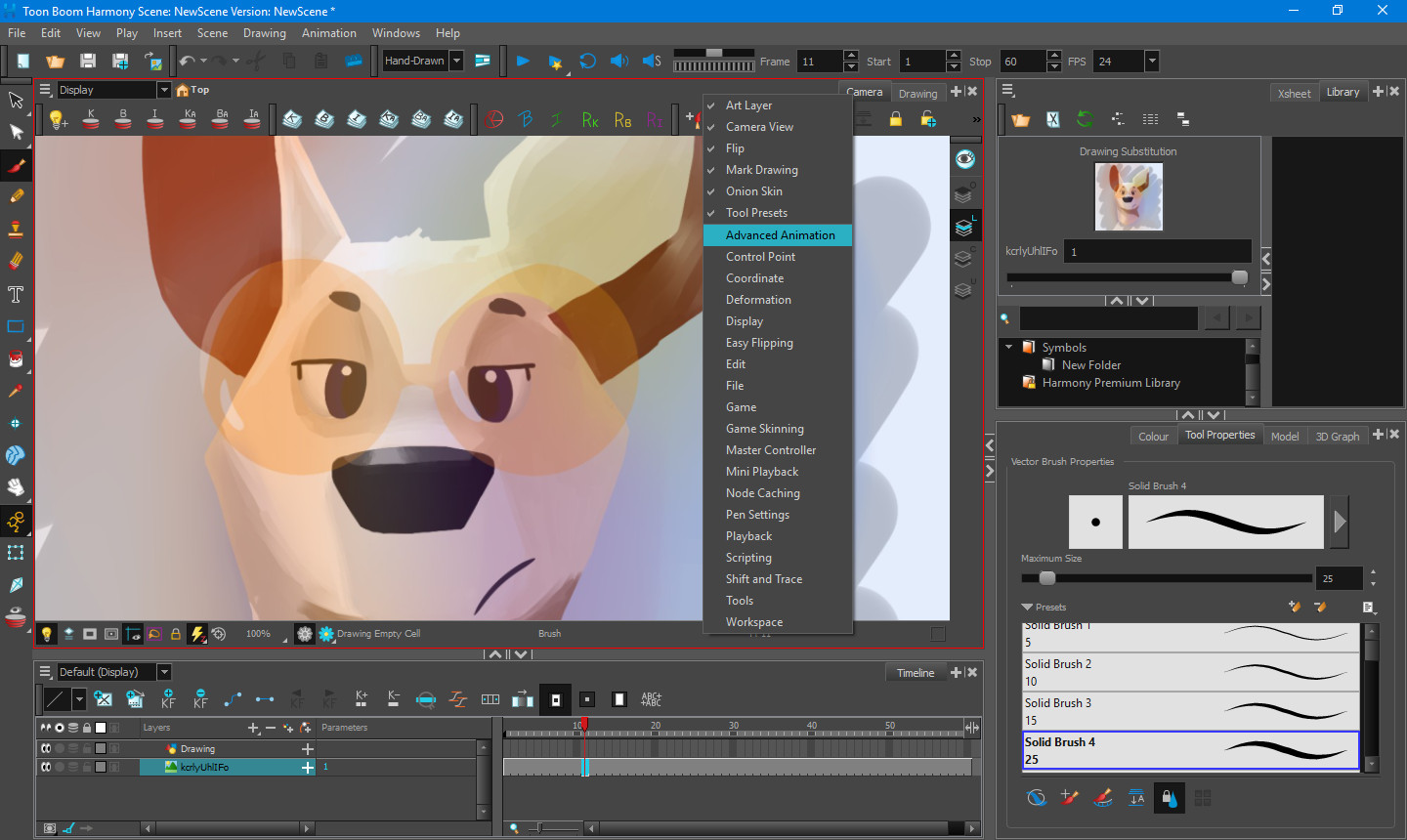
Humor With Layers The secret to all-ages appeal is layered humor that lands differently depending on experience. Kids delight in slapstick and bright visual gags, where cause and effect are bold and silly. Adults savor wordplay, dramatic irony, and character-driven wit that rewards attention. Animators orchestrate setups and payoffs, planting jokes early and harvesting laughs later through smart callbacks. A misplaced prop becomes a visual pun; a pause becomes a punchline through crisp timing. Cultural nods stay broad enough to remain inviting while specific enough to feel clever. When the same scene delivers a tumble for the youngest viewers and a sly subtext for parents, everyone feels included. This multi-track approach respects varied sensibilities without splitting the audience, using tone control and contrast to keep humor buoyant, kind, and replayable. The result is comedy that grows with the viewer, offering new laughs each time a detail clicks into focus.
Emotion Through Design Animation engineers feeling with precise choices in color, shape language, sound, and timing. Warm palettes and rounded silhouettes signal safety, while sharp angles and high contrast sharpen tension. Music sets tempo, nudging heartbeats to match the story's rhythm, while carefully chosen sound effects add tactile charm to footsteps, glances, and gusts of wind. Micro-pauses before a reveal act like visual commas, guiding breath and expectation. Even composition carries emotion; characters framed low against towering scenery feel small yet brave, while centered framing conveys balance and resolve. Because cartoons can bend reality, they can externalize inner life, turning anxiety into a comic storm cloud or resilience into a glowing horizon. These stylistic choices invite different ages to track emotion at their own level. A child reads color and motion; an adult parses subtext, motif, and thematic echoes. Together, they share the same beat, arriving at the same feeling through pathways tuned to their experience.
Archetypes, Evolved Familiar archetypes make cartoons instantly approachable, while smart subversion keeps them fresh. The brave hero may doubt themselves, the so-called villain may reveal a tender motive, and the comic relief might harbor quiet wisdom. Animation thrives on clarity of intent, so these roles are introduced cleanly, then complicated with character growth and surprising agency. Children connect to obvious goals and values, like friendship and perseverance, while adults appreciate nuance in motivation, vulnerability, and consequence. Visual metaphors help translate complexity: a brittle crown for fragile power, a heavy backpack for hidden burdens. Because designs can be abstracted, characters become portable symbols that withstand time and trend, encouraging viewers to project their own context. This elasticity keeps stories open-ended rather than prescriptive. The magic lies in a respectful balance between comfort and challenge, giving every age a reason to root for change while recognizing themselves in the journey.
Nostalgia and Newness Cartoons excel at balancing nostalgia with discovery, creating an intergenerational bridge where parents and kids find common delight. Nostalgia arrives through tactile textures, familiar rhythms, and gentle echoes of classic setups. Newness emerges in fresh perspectives, modern sensibilities, and inventive visual twists. Thoughtful easter eggs and callbacks reward long-time fans without excluding first-time viewers, making every episode a layered conversation between memory and surprise. Reinterpreted myths or playful homages invite adults to reflect on how stories evolve, while children experience the tale as brand new. This dual appeal fosters shared rituals—repeats on rainy afternoons, family catchphrases, and spontaneous reenactments—that strengthen emotional attachment. Crucially, the balance avoids leaning too hard on references; heart leads, winks follow. By letting tradition and innovation dance together, animation cultivates a timeless quality that feels both comfortably familiar and thrillingly present, preserving wonder while welcoming growth.
Worlds With Rules The most inviting animated universes practice consistent worldbuilding. Clear rules make magic believable and humor reliable, anchoring surprise in logic. Gravity can bend, but it must bend the same way every time. Characters can stretch beyond human limits, but their stakes and choices still matter. This coherence gives kids a map to follow and gives adults the pleasure of pattern recognition. Within these guardrails, creators shuffle predictability and novelty, delivering safe surprise that feels earned rather than random. Small rituals—recurring transitions, motif sounds, or signature poses—add comfort, while occasional rule-bending moments signal turning points. Viewers invest because the world respects their attention, turning each return visit into deeper escapism rather than empty repetition. Whether the setting is a bustling city or a cozy cottage under starlight, rules let imagination soar without losing orientation, proving that freedom in art often grows from thoughtful constraints.
Community and Rewatch Value Cartoons invite participation, extending enjoyment beyond the screen into family rooms, classrooms, and online conversations. Memorable catchphrases, expressive faces, and loopable moments fuel memes, clips, and everyday jokes, making the experience social. Strong rewatchability comes from layered staging, background gags, and subtle emotional beats that surface on a second or tenth viewing. Co-viewing becomes a dialogue: kids ask why a character hesitated; adults point out a clever setup; everyone laughs together. Accessibility matters too—clear voice acting, purposeful music, and readable visual design welcome different learning styles and attention spans. Even short formats can spark big discussions about kindness, perseverance, or creative problem solving. By rewarding attention and generosity, animation builds community that celebrates sharing over gatekeeping. The story does not end with the credits; it lives on as drawings on a fridge, lines retold on a walk, and ideas that inspire new acts of everyday creativity.