Building a Balanced Grocery List for Healthy Eating
Learn how to build a balanced grocery list with smart staples, seasonal picks, and label tips so every meal supports health, taste, and budget.
Start with Core Food Groups — A balanced grocery list begins with the major food groups: vegetables, fruits, whole grains, lean proteins, dairy or fortified alternatives, and healthy fats. Aim for variety and color to capture a wide range of vitamins, minerals, and antioxidants, while keeping an eye on fiber, protein, and healthy fats to support steady energy and satiety. Stock versatile produce like spinach, kale, broccoli, bell peppers, carrots, apples, and berries. Add whole grains such as oats, brown rice, quinoa, and whole‑wheat bread or pasta. For proteins, combine animal and plant sources: chicken breast, canned tuna or salmon, eggs, lentils, chickpeas, black beans, tofu, and tempeh. Round things out with yogurt, cottage cheese, or unsweetened plant milks, plus nuts, seeds, avocado, and olive oil. Think in meals: a grain, a protein, and two vegetables can be mixed and matched across the week to reduce decision fatigue. Building your list this way creates a flexible base that supports balanced plates, budget‑friendly swaps, and simple meal prep.
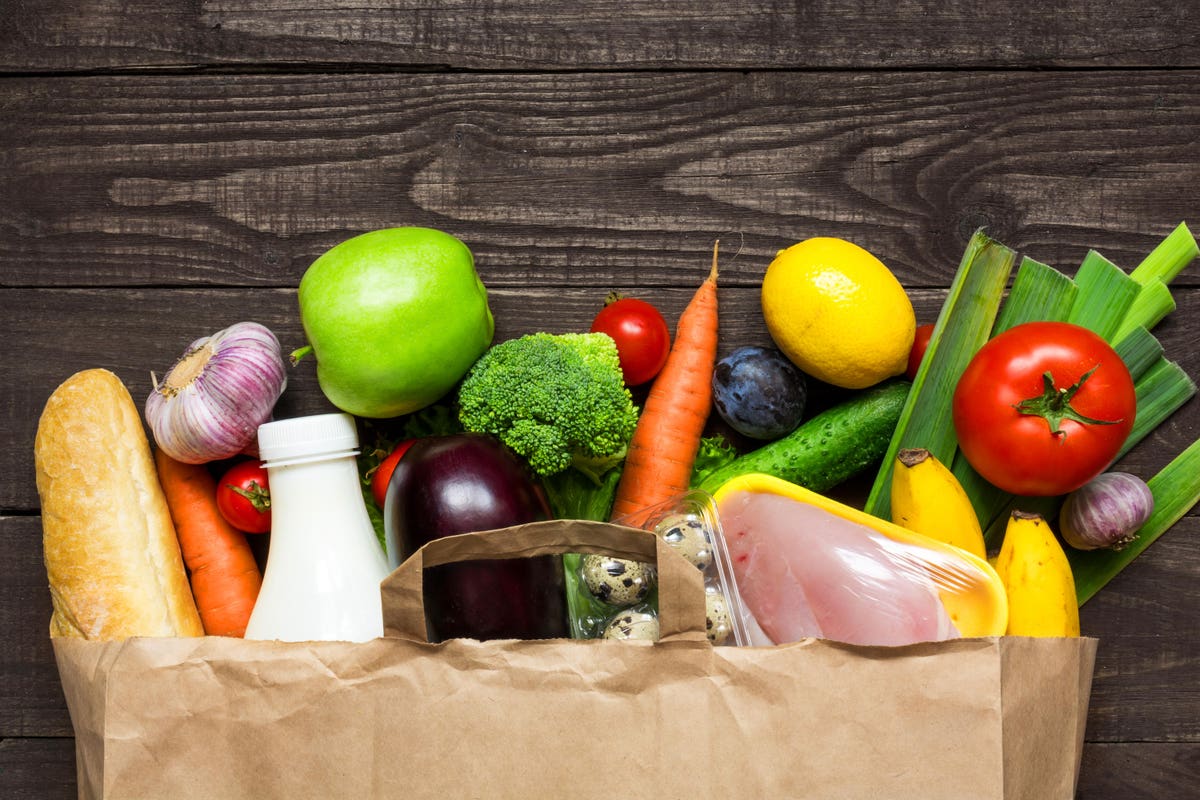
Smart Produce Strategy — Let produce take up at least half of your cart, balancing delicate picks with sturdy options for longer shelf life. Choose a rainbow for diverse phytonutrients: leafy greens, crucifers, orange roots, reds, purples, and bright citrus. Buy a mix of fresh, frozen, and low‑sodium canned vegetables to keep choices ready when schedules change. Frozen berries, spinach, peas, and stir‑fry blends are flash‑frozen at peak ripeness and retain micronutrients while cutting prep time. Canned tomatoes, pumpkin, and beans offer convenience; rinse vegetables and beans to lower sodium. Add herbs like parsley and cilantro to lift flavors without extra salt, and include aromatics such as onions, garlic, and ginger to build depth. Plan for quick‑cook items like baby greens and mushrooms for busy nights, plus durable staples like cabbage, carrots, and sweet potatoes for the end of the week. Pre‑cut veggies and ready‑to‑eat fruit can be worth the cost for consistent meal consistency and snack‑friendly options.
Proteins and Whole Grains — Combine lean animal proteins with plant‑based staples to balance nutrients, cost, and flavor. Keep chicken thighs or breasts, ground turkey, eggs, and canned fish for versatile, high‑protein meals. Add legumes such as lentils, chickpeas, black beans, and edamame for fiber, iron, and slow‑burning energy. Tofu, tempeh, and plain Greek yogurt offer convenient, neutral bases that adapt to many cuisines. Build your carbohydrate foundation with whole grains: brown rice, quinoa, farro, barley, bulgur, whole‑wheat pasta, and rolled oats. These foods deliver steady complex carbs, B‑vitamins, and satisfying chew that pairs well with vegetables. Consider protein‑plus‑carb combinations like rice and beans or eggs over quinoa to create complete amino acid profiles and long‑lasting fullness. Batch‑cook beans and grains to portion and freeze; this reduces waste and speeds weeknight cooking. When buying deli meats or prepared proteins, favor minimally processed options and check sodium and added sugars on labels. With this approach, you can cycle through tacos, grain bowls, hearty salads, and soups without repetition.
Pantry, Spices, and Healthy Fats — A thoughtful pantry turns simple ingredients into crave‑worthy meals. Prioritize monounsaturated fats and omega‑3s with extra‑virgin olive oil, avocado oil for high heat, nuts, seeds, and natural nut or seed butters. Keep tinned fish, tomato paste, canned tomatoes, low‑sodium broth, coconut milk, vinegars, and whole‑grain mustard for quick sauces and stews. Stock flavor builders: onion and garlic powder, smoked paprika, cumin, turmeric, chili flakes, oregano, cinnamon, and a quality curry blend. These help you emphasize big flavor with less salt and fewer added sweeteners. Add umami boosters like nutritional yeast, sun‑dried tomatoes, and olives to enrich vegetarian dishes. For snacks, look for whole‑food options such as popcorn kernels, roasted chickpeas, mixed nuts, dark chocolate, and unsweetened dried fruit; portion them to support mindful eating. Keep a small selection of convenience items with short ingredient lists, like simmer sauces or salsa, to streamline meal prep. Organize shelves by use case and rotate older items forward to protect freshness and reduce waste.
Planning, Budgeting, and Label Smarts — Start with a simple plan: outline a few breakfasts, lunches, and dinners, then build a list by store section to limit impulse buys. Compare unit prices, choose store brands for staples, and buy bulk whole grains, beans, and oats to cut costs without sacrificing nutrition. Seasonal produce is often more affordable and flavorful; supplement with frozen when prices spike. Read labels with intention: scan the ingredient list for recognizable foods, choose items with whole grains listed first, and check grams of fiber, protein, and added sugars per serving. Keep sodium moderate by selecting low‑sodium or no‑salt‑added versions when possible. Prep in batches, portion leftovers, and freeze extras for busy days. Practice first‑in, first‑out storage and label containers to track what needs using next. Allow room for joyful staples and cultural favorites so the plan feels sustainable. Over time, create a default list of go‑to items, then rotate new produce, proteins, and spices to keep meals exciting while staying balanced.