Clean Beauty Decoded: What Labels Really Mean
Confused by 'clean,' 'natural,' or 'non-toxic' on beauty labels? Here's what those claims really mean, what's regulated, and how to shop smarter.
Decoding the idea of 'clean' beauty. Clean beauty aims to balance ingredient safety, environmental responsibility, and consumer transparency, but it is not a regulated term. That means two bottles labeled 'clean' can follow very different rules. Some brands focus on avoiding certain chemicals, others emphasize ethical sourcing, and many prioritize minimal, streamlined formulas to limit potential irritants. The most reliable compass is a blend of hazard vs risk thinking and your own skin needs: an ingredient can sound scary yet be safe at the tiny levels used, while a botanical can be natural yet irritating for some. Watch for greenwashing cues, like sweeping claims that play on fear without sharing test data, and favor brands that disclose full ingredient lists, allergens, and testing methods. Ultimately, clean beauty works best as a framework for informed choice rather than a fixed rulebook: understand your skin, read labels, and choose products that align with your values and tolerance.
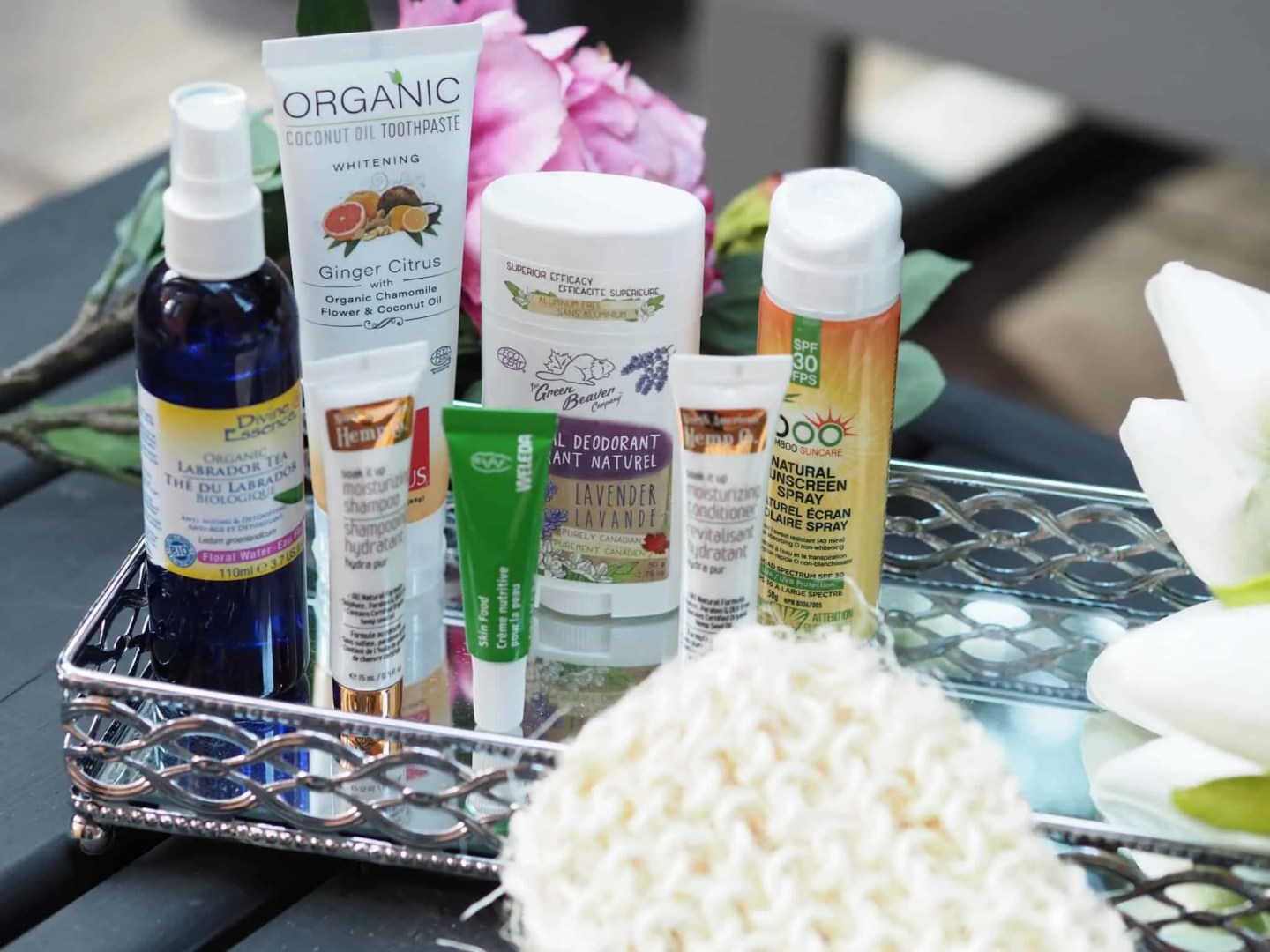
Natural, organic, and synthetic explained. In the beauty aisle, natural suggests ingredients sourced from plants, minerals, or microbes; organically grown indicates crops cultivated without certain synthetic inputs; and synthetic refers to lab-made compounds. None of these labels alone guarantees safety or performance. Natural oils can be wonderfully emollient yet carry allergens, fragrance compounds, or batch variability. Organic plant butters can support biodiversity, but purity and shelf stability still depend on processing and preservation. Synthetics are not the enemy: many offer consistency, low contamination risk, and proven efficacy at controlled doses. Terms like naturally derived or green chemistry often describe materials transformed from a natural source with cleaner processes. Certifications can validate farming or formulation standards, but always check the INCI list to see what is actually inside. A pragmatic approach blends nature and science, prioritizing function, tolerance, and quality controls over ideology.
Fragrance-free, unscented, and sensitive-skin claims. If scent triggers redness or headaches, look for fragrance-free, which means no fragrance materials are intentionally added. Unscented can be confusing; it often includes masking fragrance to neutralize odors, so it may still irritate reactive skin. Labels like hypoallergenic, dermatologist tested, and non-comedogenic are helpful signals but not guarantees. There is no universal test that proves a product will never cause a reaction or clog pores, because skin varies widely. Essential oils, even when natural, can introduce sensitizing terpenes, while heavy occlusives can trap heat on some skin types. Prioritize short, transparent ingredient lists, avoid known personal triggers, and always patch test along the jawline or inner forearm before full use. For a sensitive routine, pair gentle surfactants, barrier-supporting humectants and lipids (like glycerin and ceramides), and balanced preservatives that keep microbes at bay without spiking irritation.
Cruelty-free and vegan: what the bunny means. Cruelty-free typically indicates a brand does not test finished products on animals and seeks to avoid animal testing at the ingredient level. Vegan means a formula contains no animal-derived inputs, such as beeswax, lanolin, carmine, or collagen. These labels address different ethics: cruelty-free speaks to animal testing, while vegan speaks to ingredient origin. A product can be cruelty-free but not vegan, or vegan but not cruelty-free, depending on sourcing and verification. Third-party certifications and clear supplier policies help validate claims, since global regulations and supply chains can be complex. Remember, vegan does not automatically equal gentle or non-irritating, and cruelty-free does not guarantee sustainable sourcing. Weigh these values alongside formula performance, stability, and your skin's needs. If ethics are key for you, look for transparent audits, consistent logo use, and detailed FAQs on brand testing practices.
Non-toxic, free-from lists, and safety context. The word non-toxic is common on clean labels, yet toxicity depends on dose, exposure, and individual sensitivity. A substance can have a hazard at high concentrations but be safe in a well-formulated product. Free from lists can clarify a brand's philosophy, but they are not standardized and sometimes exclude helpful ingredients, like modern preservatives that protect against contamination. Conversely, a product without a flagged chemical is not automatically superior if it's unstable, unhygienic, or poorly balanced. Consider the difference between irritation, allergy, and long-term safety: an irritant may cause redness immediately, an allergen may cause delayed reactions, and safety assessments evaluate cumulative exposure. Independent seals, such as third-party verification programs, can add confidence, but always pair them with ingredient literacy. Focus on overall formula design, evidence for claims, and your history with similar components rather than relying on a single buzzword.
How to read labels like a pro. Start with the INCI list: ingredients appear in descending order by amount until very low levels, where the sequence can vary. High-impact actives often sit near the top, but supportive humectants, emollients, and emulsifiers also determine feel and performance. Scan for personal triggers, then assess the formula's balance: water binders for hydration, lipids for barrier strength, and soothing agents to offset potent exfoliants or retinoids. Packaging matters too; airless pumps and opaque containers help preserve delicate ingredients, while the PAO symbol signals how long a product stays stable after opening. Store products away from heat and light, and avoid dipping fingers directly into jars if contamination is a concern. Build routines with fewer, better-matched steps, introduce one new product at a time, and maintain a simple AM/PM structure you can follow consistently. Consistency, not hype, is the real clean-beauty advantage.