Decoding Expiration Dates and Food Safety at Home
Learn what 'sell by,' 'use by,' and 'best if used by' really mean, plus safe storage, reheating, and sniff-test tips to cut waste without risking illness.
Making Sense of Date Labels
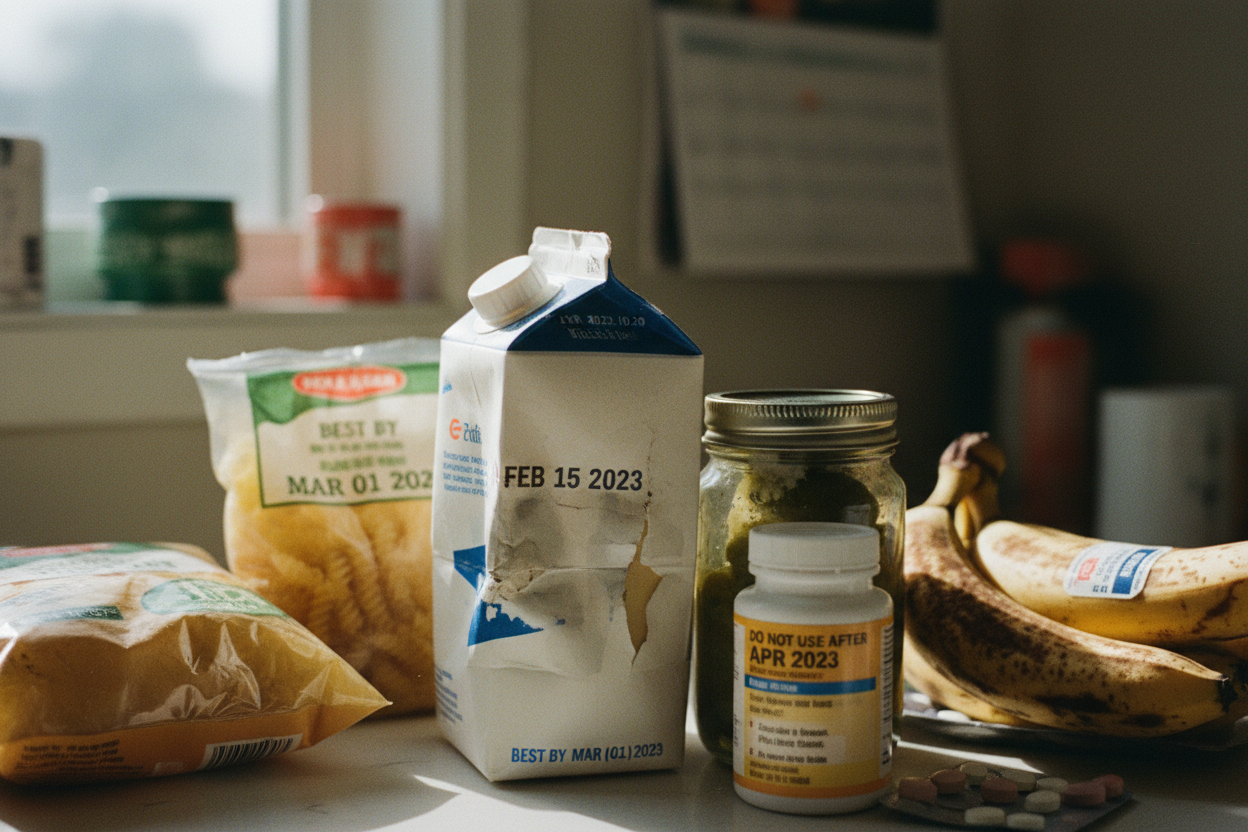
Understanding the fine print on packages can dramatically reduce waste and keep your kitchen safe. Common phrases like sell by, best before, and use by signal different things. A sell by date guides retailers, not your dinner plans. A best before date highlights peak quality, meaning texture and flavor may fade after that point, but the food is often still safe if stored properly. A use by date is the tightest window and usually indicates the last day for optimal safety on highly perishable items. The key is to match the label with the product type and your storage habits. Dry pantry goods often outlast their quality dates, while chilled meats and ready-to-eat dishes demand closer attention. Combine the label with storage conditions, time out of refrigeration, and your senses. When in doubt, do not take risks with high-risk foods. Treat these labels as signposts, not absolute stop signs, and let quality, storage, and handling guide your final call.
Storing Smart: The Temperature Factor
Temperature control is the backbone of home food safety. Keep your refrigerator at or below 40°F, or about 4°C, and your freezer at 0°F, or about minus 18°C, to slow bacterial growth and preserve quality. The danger zone between roughly 40°F and 140°F is where microbes multiply rapidly, so minimize time food spends there. Place a simple thermometer on a middle shelf to confirm accuracy, and avoid overpacking the fridge so cold air circulates. Store ready-to-eat items high and raw proteins low to prevent cross-contamination. Chill leftovers quickly by using shallow containers, and avoid leaving groceries in a warm car for long stretches to protect the cold chain from store to home. Do not rely solely on door shelves for highly perishable items; they experience the most temperature fluctuation. Consistent temperature is a quiet hero of kitchen safety. A little attention here delivers fresher flavors, safer meals, and fewer surprises when you open the fridge.
Smell, Sight, and Sense: When to Trust Your Senses
Your senses are powerful tools, but they have limits. Obvious red flags include off odors, visible mold on moist foods, slimy texture on deli meats, sour milk aromas, or produce that feels mushy and leaks. Cans that are bulging, severely dented on seams, or rusty should be discarded without tasting. However, remember that many harmful microbes do not announce themselves with smell, color, or taste. That is why time, temperature, and storage practices matter as much as your nose. Use a layered approach. First, check the date label as a quality cue. Then review how the item was stored and for how long. Next, examine appearance and texture, and take a careful whiff. Be especially mindful with ready-to-eat foods, cooked proteins, and foods for vulnerable individuals. When your senses and storage records disagree, default to caution. Trust your instincts, but back them up with safe handling, proper refrigeration, and a measured respect for what your senses cannot detect.
Meal Prep and Leftovers: Timelines That Work
Safe meal prep starts with clean hands, sanitized surfaces, and sharp knives to reduce cross-contamination. Follow the two hour rule for cooling and refrigeration; perishable foods should not sit out longer than that, and even less in hot conditions. Divide big batches into shallow containers to chill faster and place them near the back of the fridge. Label leftovers with the item and the date so you can use the FIFO method, meaning first in, first out. Reheat leftovers to steaming hot throughout, aiming for a safe internal temperature. When thawing, choose the refrigerator, cold water with frequent changes, or the microwave, and never leave foods thawing on the counter. If a dish has been reheated more than once, consider portioning earlier to minimize repeated temperature swings. Cook once, eat twice can be smart, but build in food safety checks. With planning, batch cooking saves time and helps reduce waste without compromising freshness or safety.
Pantry Power: Dry Goods and Canned Confidence
A well managed pantry stretches budgets and reduces food waste. Store grains, flours, nuts, and snacks in airtight containers to preserve freshness and block moisture and pests. Keep the pantry cool, dark, and dry, and avoid stacking items right against warm appliances. Rotate stock using FIFO so older items move forward and are used first. Most dry goods gradually lose quality before they become unsafe, but watch for off smells, rancidity in nuts or oils, and clumping caused by humidity. Canned foods are reliable when stored properly, yet they are not invincible. Inspect for dents on seams, rust, leaks, or swelling; damaged cans should be discarded. High acid foods often see texture and color changes faster than low acid foods, even if still safe. Label containers when transferring from bulk packaging. Regularly audit shelves, consolidate duplicates, and keep an eye on spices, which lose potency over time. A tidy pantry supports smarter cooking, confident choices, and less waste.
Smart Shopping and Waste Reduction
Food safety begins in the store. Plan meals, check your inventory, and build a realistic list to avoid overbuying perishable items. Shop refrigerated and frozen sections last to keep foods cold for as long as possible, and use an insulated bag during warm weather. Choose packages with intact seals, unbroken lids, and clean surfaces. Group raw proteins in separate bags to avoid cross-contamination with produce. At home, organize the fridge so you can see what needs using soon, placing near date items at eye level. Embrace first in, first out, and use quick creativity to repurpose fading produce into soups, stir fries, or frittatas. Portion and freeze extras to lock in quality before it drifts. Keep a small leftovers zone so items do not get lost. If waste happens, learn from it by adjusting your list size, prep cadence, or storage choices. Smart shopping, thoughtful storage, and flexible cooking keep food safe and spending sensible.