Denim Decoded: Choosing the Perfect Jeans Fit
From skinny to relaxed, rise to inseam, this guide helps you decode denim fits, find your ideal silhouette, and shop jeans that truly flatter.
Start with Silhouette
Choosing the perfect jeans begins with your silhouette. Instead of chasing trends, map your proportions: shoulder width, waist-to-hip ratio, and leg length all influence which cuts flatter. If you're broader up top, add visual balance with a straight or wide-leg to anchor the frame. Curvier hips often prefer a contoured waistband that hugs without gaping, plus a yoke that shapes the seat. Measure your inseam, natural waist, and the point where you want the waistband to sit; these numbers guide you beyond size labels. Pocket size and placement subtly sculpt—slightly higher, centered back pockets lift visually, while smaller pockets can emphasize fullness. Consider where hems hit: a cropped length that reveals the ankle can elongate the leg line, while a longer hem pairs well with boots for seamless flow. Fabric affects the overall balance—rigid denim provides structure; a touch of stretch offers comfort. Prioritize the overall line from waist to leg opening, and let proportion lead your pick.
The Power of Rise
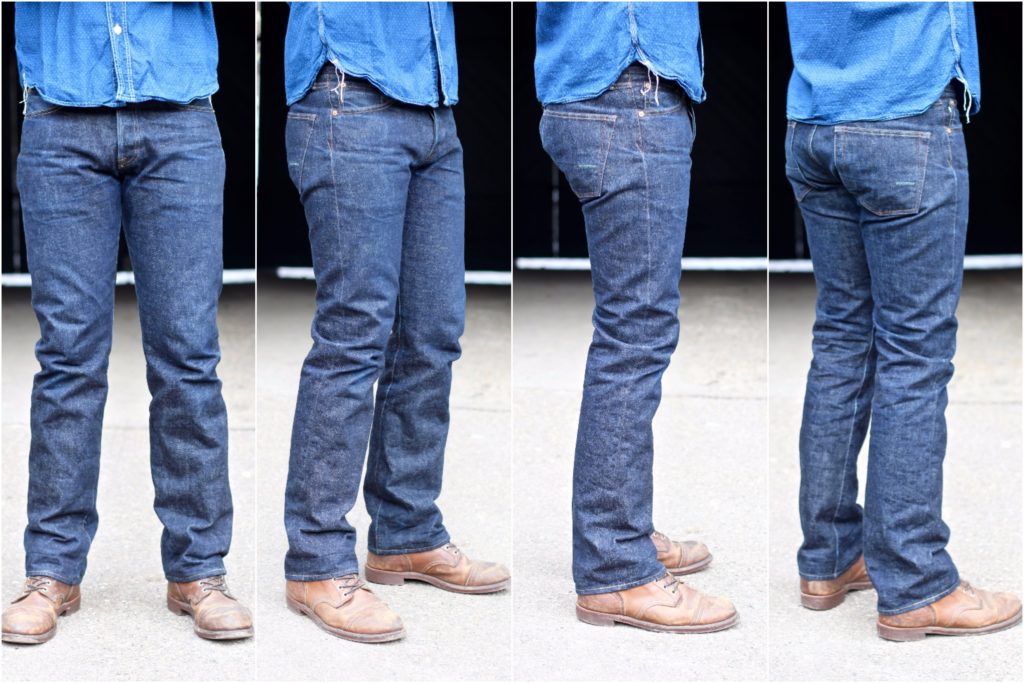
The rise—the distance from crotch seam to waistband—sets comfort, coverage, and style. A high-rise supports the core and smooths the midsection, great for tucking shirts and defining the waist. A mid-rise is universally versatile, balancing ease with polish. A low rise sits on the hips for a laid-back vibe, but ensure the back rise gives enough coverage when you sit. Use the seated test: if the waistband digs, the rise is off. If it gaps at the back, look for a contoured waistband or adjust with a tailor. Torso length matters too: a shorter torso can feel overwhelmed by very high rises; a longer torso benefits from the waist-defining lift. Think about styling: cropped tops pair beautifully with a higher rise; flowing blouses balance mid-rise; longer knits suit lower rises. Also note fly construction and yoke shape—these affect how fabric drapes over the abdomen and seat. Above all, let comfort, mobility, and confidence guide rise choice.
Leg Shapes, Explained
Leg shape determines drape, movement, and attitude. Skinny fits trace the leg and showcase boots or streamlined sneakers; they're sleek but require a comfortable fabric with recovery to avoid bagging. Slim offers a close fit through thigh with a subtle taper, balancing polish and ease. Straight keeps a consistent leg opening, ideal for timeless minimalism and chunkier footwear. Relaxed and loose silhouettes offer room through seat and thigh, projecting ease and modern volume. Bootcut widens slightly from knee to hem, visually lengthening and balancing curvier hips or heavier shoes. Wide-leg creates vertical lines if the rise and hem are dialed in; it loves structure in fabric to hold shape. Evaluate the seat and thigh first—pinch an inch or so of ease for comfort—then check how the knee-to-hem line relates to your footwear. If you have athletic thighs, a slim-taper can skim without squeeze. For maximal versatility, anchor your wardrobe with one straight and one relaxed-leg option.
Fabric, Stretch, and Weight
Fabric choice transforms fit. Rigid cotton denim offers crisp structure and a sculpted look that molds to you over time; it's ideal if you value defined lines. Denim with stretch (a small percentage of elastane or similar) boosts comfort and mobility—great for skinny or slim profiles—but look for strong recovery so knees and seat bounce back after wear. Consider denim weight: lightweight feels breezy and drapes softly; midweight balances structure with comfort; heavyweight supports clean lines and durability. Details like twill direction, selvedge edges, and surface character (slub, neps) influence texture and drape. Pre-washed fabrics arrive softer with minimal shrink, while raw or minimally processed denim evolves uniquely, requiring patience as it breaks in. For longevity, wash inside out on cold, air dry, and avoid high heat to preserve color and fit. If you're between sizes, consider how stretch content behaves—some fabrics relax a half size with wear. Fabric isn't just feel; it's the architecture of your jeans.
Length, Hem, and Footwear
Dialing in length ensures your jeans complement your shoes and stature. Your inseam determines where the hem lands: a full-break stacks lightly over the shoe for relaxed looks; a slight break or no break reads cleaner and elongates the leg. Cropped hems spotlight ankles and create crisp lines with loafers, boots, or strappy shoes. Match leg opening to footwear volume—chunky soles prefer straight or wider hems; delicate shoes balance with slimmer openings. Explore finishing: a clean-stitched hem is polished, a preserved original hem keeps vintage character, and a chain-stitch hem adds authentic roping. Cuffs can fine-tune proportion: a single cuff shows selvedge and shortens visually; a slimmer double cuff sharpens wide-legs; a subtle pinroll narrows the opening. If your perfect pair is long, hemming is a simple win—bring the shoes you'll wear most so the tailor sets the right break. The goal is harmony: hem, shoe, and silhouette working as one.
Fit Check and Buying Strategy
Make a thorough fit check your habit. Start at the waist: you should breathe easily, with no pinching and minimal gaping at the back. Sit, squat, and walk—fabric should flex without pulling at the crotch or across the thighs. In the seat, check pocket placement: centered and slightly higher pockets lift; overly tiny or low pockets can widen the look. In the thigh and knee, pinch a little ease for comfort; ensure the taper or straight line falls smoothly to the leg opening. Assess recovery by gently stretching the waistband and knee, then seeing if it rebounds. If the fit is close but not perfect, a tailor can fine-tune hems, waists, and tapers. Build a denim rotation: a dark indigo or black pair for polish, a medium wash for everyday, a relaxed or wide-leg for statement styling. Care thoughtfully—wash sparingly, air dry, and store by folding to preserve shape. Prioritize feel and confidence; the right jeans disappear so your style can speak.