Fabrics 101: Understanding Materials for Better Fashion Choices
Make smarter wardrobe decisions by learning how cotton, wool, silk, synthetics, and blends behave—plus care, sustainability, and fit-for-purpose tips.
Fabric Foundations: Fiber, Yarn, Structure
Understanding fabric starts with the building blocks: fiber, yarn, and structure. Fibers are the tiny strands, natural or synthetic, that give a textile its core traits, from breathability to strength. Twist or spin them into yarn, and characteristics like softness, elasticity, and durability begin to form. Those yarns are then organized into a weave, a knit, or a nonwoven, which decides the fabric's drape, stretch, and resilience. A tight weave can feel crisp and resist snagging, while a loose knit can feel plush and flexible. Yarn thickness and twist influence handfeel and pilling, and finishing methods, such as brushing, mercerizing, or calendering, refine luster and touch. By reading how a fabric falls, creases, and rebounds, you can predict comfort and longevity before you buy. Mastering these basics helps you compare garments beyond color and cut, guiding smarter fashion choices that balance comfort, care needs, and performance in your daily wardrobe.
Natural Heroes: Cotton, Linen, Wool, Silk
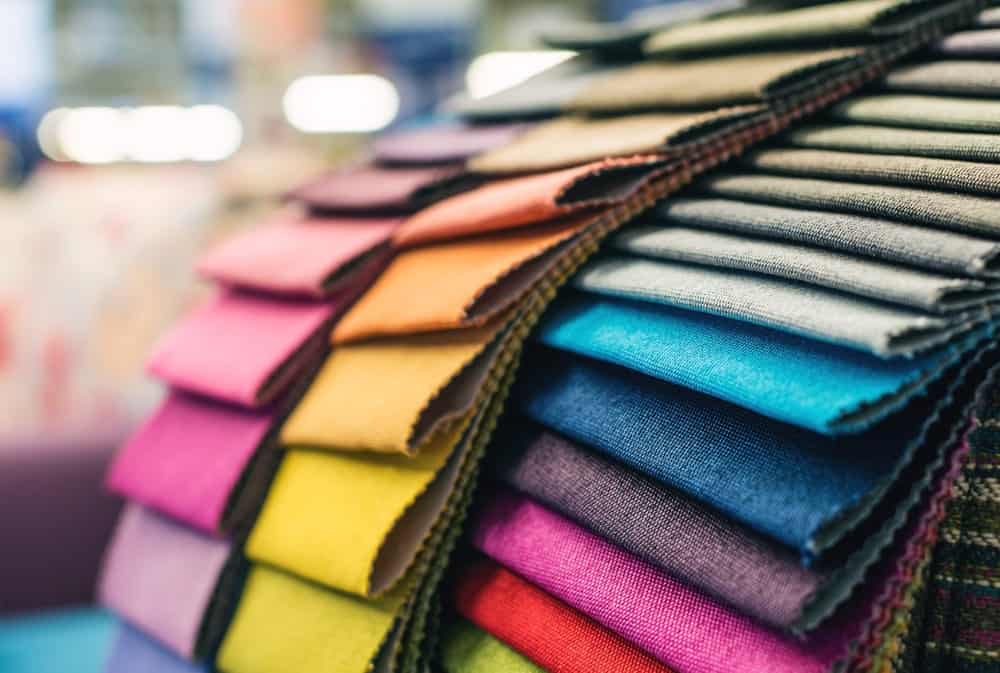
Natural fibers bring familiar comfort and time-tested performance. Cotton is loved for softness and breathability, making it ideal for everyday tees, shirts, and underwear. It absorbs moisture well, though heavier cotton can feel damp, and lighter constructions may wrinkle. Linen, spun from flax, offers standout airflow and a cool, textured hand; it wrinkles by design, signaling relaxed elegance and seasonal ease. Wool excels at thermoregulation, trapping air for warmth while releasing moisture, so sweaters and suiting can remain comfortable across fluctuating temperatures. Varieties range from lofty knits to smooth worsteds. Silk delivers luxurious drape and subtle sheen, balancing strength with finesse for blouses, scarves, and linings. Each natural fiber has nuanced care: gentle cycles, mild detergents, and mindful drying protect shape and surface. When shopping, consider climate and activity level. Choose airy linen for hot days, cotton for dependable softness, wool for warmth without bulk, and silk when you want lightness paired with an elegant, fluid silhouette.
Synthetics Decoded: Strength, Stretch, Care
Synthetic fibers unlock durability and modern performance. Polyester resists wrinkles, dries quickly, and holds color, making it strong for travel and active days. Nylon adds high abrasion resistance and a smooth hand, great for outerwear and sleek leggings. Acrylic can mimic wool's loft while staying lighter, though it may attract static without proper finishing. Elastane or spandex brings stretch and recovery, improving comfort and fit in denim, dresses, and sportswear. Engineered knits and finishes can enhance moisture-wicking, UV resistance, and shape retention, while heat-set textures help garments maintain structure. Care is generally straightforward: lower-heat washing, minimal tumble drying, and avoiding over-iron help preserve fibers and finishes. If you are sensitive to static or odor retention, look for blends or breathable constructions that promote airflow. In styling, lean on synthetics for garments that see frequent movement or friction, like trousers, athleisure, and bags, where resilience, colorfastness, and easy care deliver daily reliability.
Blends and Regenerated Fibers: Balance and Feel
Blends combine strengths to dial in comfort and function. A cotton–polyester mix balances breathability with wrinkle-resistance and quick dry time, perfect for shirts that must look fresh all day. Wool–nylon blends bolster durability in knitwear, reducing abrasion and extending wear. Adding elastane creates forgiving stretch without sacrificing shape. Regenerated cellulosics like viscose, modal, and lyocell start as plant-based pulp and become smooth, absorbent fibers prized for drape and softness. They often feel cool on skin and can elevate everyday silhouettes with fluid movement. Finishes further tune behavior: anti-pilling for sweater longevity, stain-resistant for outerwear, moisture-wicking for performance tops, and wrinkle-free treatments for travel-ready pieces. Note that finishes can fade with aggressive washing or high heat, so gentle care extends performance. When choosing blends, think about your routine: commuters may prefer stretch suiting with recovery, parents might prioritize easy-care knits, and travelers often seek packable, low-crease fabrics with a polished surface.
Weaves, Knits, and Weight: How Fabric Behaves
Fabric construction shapes style and function. In wovens, plain weave delivers crisp stability, twill introduces diagonal ribs for drape and durability, and satin weave prioritizes luster and fluid movement. In knits, jersey offers softness and stretch, rib provides elasticity and recovery, and interlock gives a smoother, denser hand that lies neatly. Fabric weight—often listed as GSM or ounces—affects warmth, opacity, and structure. Lightweight textiles float and layer easily, while midweights hold shape for shirts and dresses, and heavyweights anchor coats and structured pants. Surface details play a role: brushed fleeces trap warmth, crêpe textures disguise wrinkles, and peached finishes add velvety touch. Evaluate how a garment bends at elbows, knees, and hems; a fluid weave will ripple, a dense knit will snap back. Matching construction to purpose prevents disappointment: choose stable twills for trousers, airy voiles for blouses, and balanced jerseys for tees that keep their silhouette wash after wash.
Care, Longevity, and Smart Shopping
Better fashion choices start with mindful care and informed priorities. Read the care label and follow temperature guidance; cooler washes and mild detergents protect color and fiber integrity. Turn garments inside out to reduce abrasion, line dry when possible, and use low heat to preserve elasticity and finishes. Address pilling with a gentle comb, mend loose seams promptly, and store knits folded to prevent stretching. Shop with cost-per-wear in mind, focusing on versatile colors and silhouettes that align with your lifestyle and climate. Prioritize fit, comfort, and fabric performance over trends that fade quickly. When comparing similar styles, feel the hand, check opacity against light, and do a wrinkle test by gently scrunching the fabric. Consider blend advantages for busy routines and natural fibers for breathability. Choosing durable construction, thoughtful materials, and realistic care commitments will extend the life of your wardrobe, reduce waste, and keep your style effortless and polished over time.