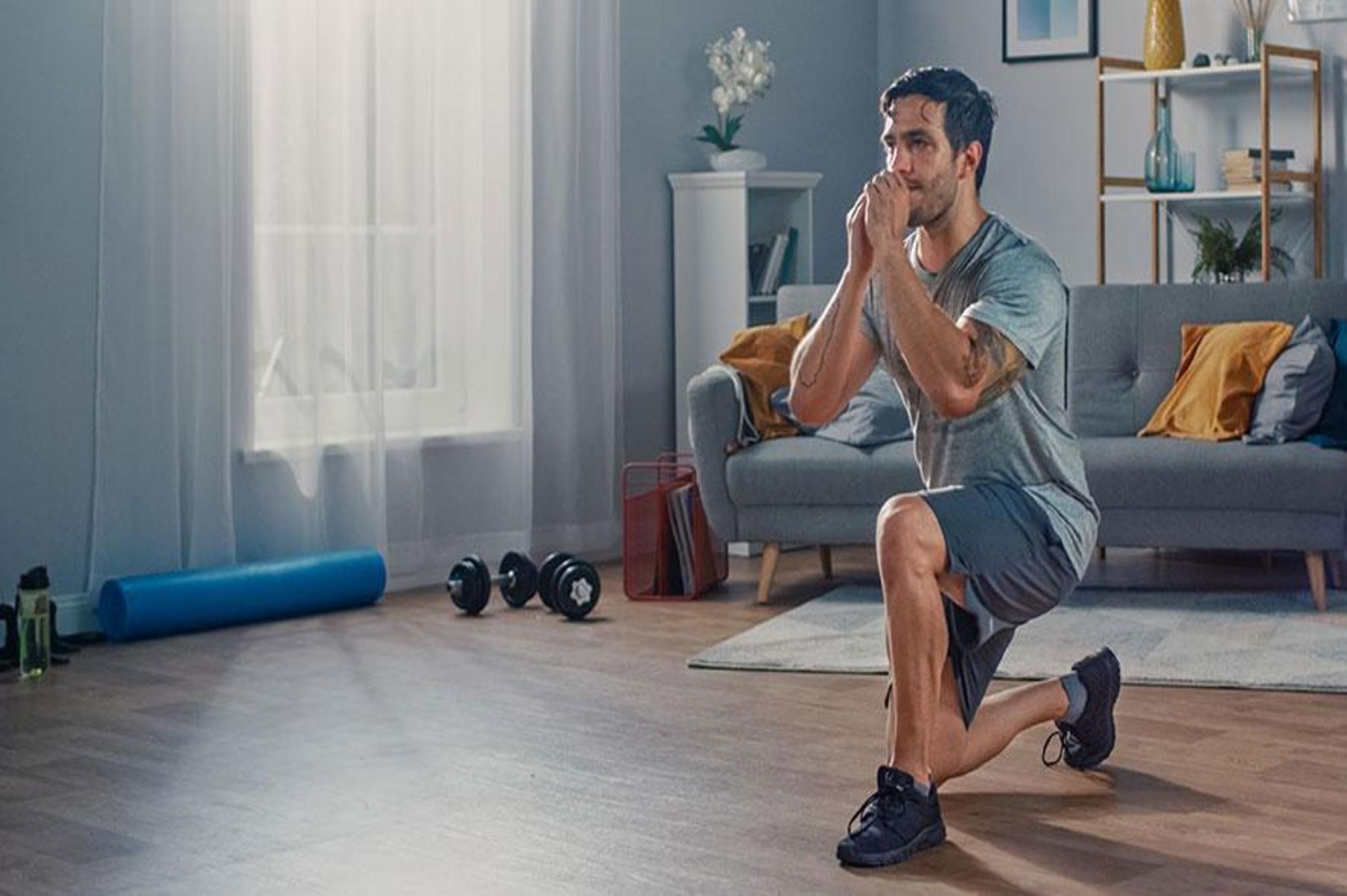
Gentle Workouts That Build Strength and Mobility
Build real strength and supple mobility without pounding your joints. These low-impact workouts blend control, breath, and smart progressions.
Slow Starts, Strong Gains
Gentle workouts prioritize low impact, controlled movement, and joint-friendly progress, making them ideal for building strength and mobility without overwhelm. Think of them as a patient path that develops resilient muscles, supple joints, and confident body awareness. Instead of chasing intensity, you focus on quality of motion and consistency, using tools like bodyweight, soft surfaces, and light resistance bands. This approach supports people returning to movement, balancing a busy schedule, or protecting sore knees, hips, and shoulders. You still apply progressive overload, but with subtle adjustments: a deeper range, a slower tempo, an extra breath of control. Gentle does not mean easy; it means intelligent. You learn to move smoothly, breathe steadily, and maintain alignment as your foundation. Over time, these sessions enhance posture, circulation, and everyday stamina. The result is a sustainable routine that leaves you energized instead of exhausted, and ready to show up again tomorrow with steady momentum and growing confidence.
Breath and Alignment
The quickest way to upgrade any gentle routine is mastering breath and alignment. Diaphragmatic breathing teaches your core to stabilize from within: inhale through the nose, let the ribcage expand all around, and exhale slowly as the belly lightly firms. Pair that breath with joint stacking—ears over shoulders, ribs over pelvis, knees over midfoot—to reduce strain and amplify power. Before you lift, brace softly on the exhale and imagine length through the spine. This combination turns modest movements into effective training by improving energy transfer and protecting sensitive areas. Try a posture check between sets: unclench the jaw, drop the shoulders, and let the ribs settle. Use the breath to guide pace, especially on the lowering phase, where most strength is built. With practice, your body begins to self-correct. Knees track better, hips hinge more cleanly, and the neck relaxes. You will feel steadier and more capable, even when the exercises are small and controlled.
A Gentle Mobility Flow
A well-rounded mobility flow nourishes joint health while priming muscles for strength work. Begin with slow neck nods and turns, keeping the jaw relaxed, then add shoulder circles with elbows bent to focus on the shoulder blades. Move into thoracic rotations, reaching the hand across the body and breathing into the ribs. Practice a patient hip hinge with hands on the ribs and pelvis to sense the spine staying long as the hips glide back. Ease into 90/90 transitions on the floor to explore hip rotation, remaining upright and supported. Follow with gentle ankle circles and calf rocks to wake up the lower legs. Finish with a supported deep squat hold using a doorframe or sturdy post, letting the heels sink while the chest stays lifted. Prioritize smooth, pain-free ranges, and remind yourself that depth will come with repetition. These quiet minutes lay the groundwork for better posture, more fluid walking, and stronger, safer lifts.
Minimal-Load Strength Moves
Building strength without heavy equipment is completely achievable using bodyweight and light bands. Start with glute bridges to wake the hips and protect the lower back, focusing on a slow squeeze at the top. Add wall push-ups that progress to countertop push-ups as your control improves. Practice sit-to-stands from a chair, driving through the midfoot and keeping the chest proud. Use a loop band for gentle rows, drawing elbows toward the ribs to reinforce posture. For the core, try dead bugs and bird dogs, moving opposite limbs with a quiet spine. Emphasize time under tension with slower lowers and brief isometric holds to build endurance in stabilizing muscles. Aim to finish each set feeling challenged but crisp, never sloppy. When ready, increase difficulty by extending the range, adding a pause, or choosing a slightly firmer band. These micro-progressions keep joints happy while steadily boosting functional strength for daily life.
Balance and Core Stability
Balance is a skill, and training it gently pays off in confidence and joint safety. Begin with single-leg stands, using a fingertip on a wall for light support, then progress by reducing contact or turning the head. Practice heel-to-toe walks along a line to strengthen the feet and ankles. Carry a light household object at your side for a brief loaded carry, keeping ribs stacked over the pelvis and eyes level. Add anti-rotation work, like a standing band press-out, to train the core to resist twisting while you breathe calmly. Plank variations on forearms or knees are excellent when paired with a soft exhale and steady bracing. Think of the core as a team—diaphragm, deep abdominals, back muscles, and pelvic floor—all coordinating to stabilize movement. These small, focused drills enhance proprioception, help prevent stumbles, and make everyday actions, from climbing stairs to picking up groceries, feel more secure and effortless.
Recovery That Fuels Progress
Recovery is training. Gentle strength and mobility thrive when paired with smart recovery habits that maintain tissues and restore energy. Wrap sessions with a calm cooldown: slow breathing, light joint circles, and a few effortless stretches in positions where you can relax. Use static stretching after you are warm, choosing areas that feel tight rather than forcing flexibility. Hydration supports tissue glide, and a regular sleep routine helps muscles rebuild and the nervous system reset. Differentiate normal training soreness from sharp, persistent pain; discomfort that eases with movement is often a sign to keep blood flowing, while pain that lingers or worsens deserves rest and, if needed, professional guidance. Gentle self-massage with a soft ball or foam roller can decongest sore spots when applied with patience, not pressure. Keep recovery simple and consistent, and you will notice less stiffness, better posture, and steadier energy, which all translate into more enjoyable, productive training sessions.
Progression You Can Maintain
Sustainable progress comes from consistency and small, smart progressions. Instead of chasing bigger numbers, expand your range of motion a little, add a breath to your hold, or slow the lowering phase to build control. When a move feels smooth, adjust one variable at a time: one extra rep, a slightly firmer band, or a longer pause at the hardest point. Plan your week with gentle rhythm—alternate mobility-focus days with light strength sessions—so the body adapts without burnout. Make it automatic by habit stacking: pair your routine with an established anchor like morning coffee or an evening walk. Keep a simple log to celebrate wins, such as improved balance or easier stairs, not just workout duration. If life gets hectic, shorten, do not skip; five mindful minutes beat all-or-nothing thinking. This flexible mindset preserves momentum, nurtures confidence, and turns gentle training into a durable lifestyle that continually supports your health and freedom of movement.