Grocery Shopping Hacks for Healthier, Cheaper Carts
Fill your cart with nourishing foods and real savings. Use these smart planning, shopping, and storage hacks to eat better on a budget.
Plan With Purpose
A healthier, cheaper cart starts before you enter the store. Build a simple meal plan anchored by a few versatile ingredients, like oats, beans, leafy greens, and whole grains, which can stretch across breakfast, lunch, and dinner. Do a quick inventory pass through your pantry, freezer, and fridge so you only buy what you will actually use. Draft a structured list by sections—produce, proteins, pantry, dairy—so you move efficiently and resist impulse buys. Add price caps next to common items to train your eye for deals and keep your budget honest. Choose one new item or recipe per trip to avoid overbuying specialty ingredients. Plan overlapping components—roasted vegetables can fill tacos today and bowls tomorrow. When possible, estimate cost per serving as you plan; you will naturally pick combinations that deliver nutrition at a lower price. Treat your plan as flexible, swapping in store promotions and store brands that meet your standards.
Navigate the Store Strategically
Your path through the store affects both health and spend. Start with produce to load up on fiber-rich foods that shape the rest of your choices. The perimeter often houses fresh items, but do not fear the center aisles; that is where you will find whole grains, legumes, and spices that elevate nutrition on a budget. Beware endcaps and checkout lanes, designed for impulse purchases. Shop from your list, and give yourself one intentional treat to reduce unplanned splurges. Scan from high to low shelves; store brands and value options often sit away from eye level. Use a basket for short trips to curb overbuying, and avoid shopping when hungry to cut snack temptations. Stick to your route: produce, proteins, pantry staples, then frozen for last to keep items cold. Pause before checkout for a quick cart audit—return duplicates, swap ultra-processed snacks for fruit or nuts, and check that every item has a plan.
Decode Nutrition Labels Quickly
A few fast checks can upgrade health without raising the bill. Start with serving size; many packages shrink servings to make numbers look better. Scan the ingredients list for short, recognizable foods and an early mention of whole grains or real foods rather than sugar and refined starches. Watch for added sugars under multiple names and keep them low in everyday items like cereal, yogurt, and sauces. Note sodium per serving, especially in canned soups and broths; choose lower-sodium versions and season at home. Seek at least a few grams of fiber and protein in snack bars or crackers to keep you full for fewer dollars. Ignore flashy health claims on the front and let the back label guide you. For dairy or alternatives, aim for unsweetened or lightly sweetened options. If two products seem similar, pick the one with fewer additives and more whole-food ingredients. Over time, these micro-choices build healthier habits without inflating costs.
Compare by Unit Price and Buy Bulk Wisely
Price tags can mislead; the unit price reveals the truth. Compare cost per ounce, pound, or liter to find real value across sizes and brands. Larger packages are not always cheaper, and they can backfire if food spoils before you use it. Buy bulk strategically for items with long shelf life—rice, oats, dry beans, nuts—then repackage into airtight containers to preserve freshness. If storage is limited, split bulk buys with a friend. Choose concentrates or plain bases over ready-to-eat versions, like plain yogurt you flavor yourself or dried beans you cook once and freeze. Watch for promotions that make smaller sizes the better unit deal. For meat or poultry, consider family packs, then portion and freeze flat for quick-thaw meals. Skip bulk purchases of fragile items like delicate greens or spices you use rarely; stale spices and wilted produce waste money. Let unit price steer your cart, and let your actual usage determine your size.
Make Produce Work Harder for You
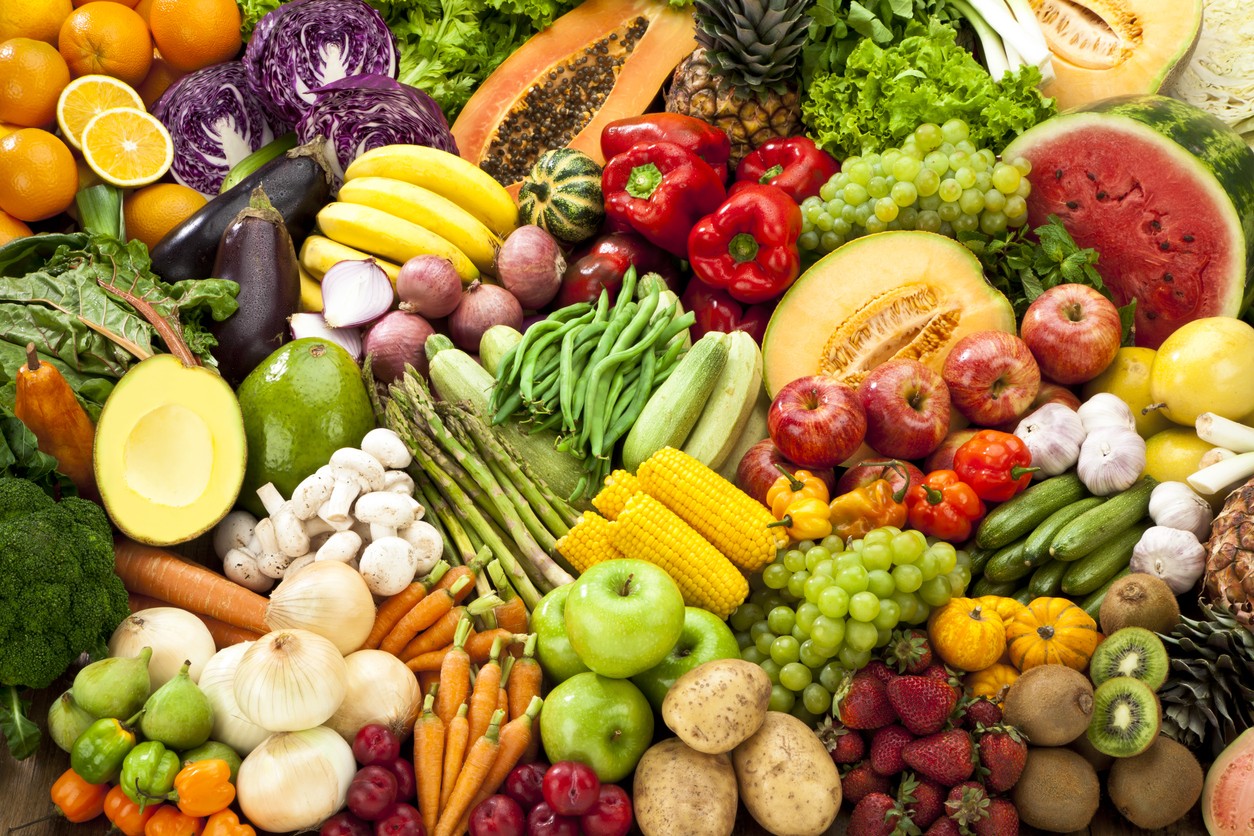
Produce can be both the healthiest and most economical part of your cart when you plan for versatility and freshness. Choose a mix of hearty items—carrots, cabbage, onions, citrus—that hold well, plus a few quick-use picks like berries or leafy greens for early-week meals. Do not overlook frozen produce; it is harvested at peak ripeness, often costs less, and reduces waste. Skip the pre-cut premium unless a sale is steep or your time is tight. At home, wash and prep items that benefit from it—tear greens, slice peppers, and store with a paper towel to manage moisture. Keep ethylene producers like bananas and apples away from delicate produce to extend life. Build meals around a produce trio to prevent waste: a base green, a versatile veg, and a flavor booster like scallions or herbs. Buy by weight and feel for heft and firmness. When budgets and nutrition meet, produce becomes your cart's quiet powerhouse.
Stretch Protein the Smart Way
Protein does not have to dominate your budget. Rotate legumes—lentils, chickpeas, black beans—into chilis, salads, and bowls for hearty, low-cost meals. Keep canned beans for quick nights and dried beans for batch cooking; freeze in portions to mimic cans at a lower price. Leverage eggs, tofu, and yogurt as flexible, affordable proteins. Buy value cuts of meat and marinate to boost tenderness, or use slow, moist cooking methods that transform tough cuts. Roast a whole chicken, then shred leftovers for tacos, soups, or grain bowls, and simmer the bones into stock. Combine smaller amounts of animal protein with beans or mushrooms to stretch portions without sacrificing satisfaction. Build in at least one meatless dinner each week to balance costs. Pack lunches from dinner leftovers to avoid pricier prepared options. A strategy of mix-and-match proteins keeps meals interesting, balanced in macros, and consistently friendly to your grocery budget.
Smarter Snacks and Drinks
Snacks and drinks quietly inflate costs and calories. Swap pricey single-serve packs for bulk buys you portion at home in small containers. Choose nuts, seeds, fruit, and popcorn kernels over ultra-processed options; season popcorn yourself for flavor without additives. Buy plain yogurt and sweeten with fruit or a drizzle of honey, avoiding the markup and sugar of pre-flavored cups. Create a simple DIY trail mix with oats, nuts, and a few dark chocolate chips for balance. For beverages, make water your default; add citrus slices, mint, or frozen berries for interest. Rotate tea or black coffee brewed at home instead of sugary drinks. Keep added sugars and artificial flavors low by reading labels on juices and sports drinks. Build a snack station at home so you always have healthy grab-and-go options. These swaps tame cravings, boost nutrition, and shave dollars off your total with almost no sacrifice in satisfaction.
Fight Food Waste With Systems
Reducing waste is a direct line to savings. Adopt first in, first out: move older items to the front of the fridge and pantry. Keep a clear bin labeled Eat Me First for produce or leftovers that need attention. Date your containers, freeze flat for space efficiency, and maintain a simple freezer list so food does not disappear. Turn scraps—onion skins, herb stems, poultry bones—into broth. Revive wilted greens in cold water, toast stale bread into croutons, and blend soft fruit into smoothies or sauces. Cook once, eat twice by planning leftover transformations: roasted vegetables become frittatas, rice becomes fried rice, beans become dips. Store grains and flours in airtight containers to block moisture and pests. A weekly five-minute inventory prevents duplicate purchases and spotlights what to cook next. When your kitchen runs on systems, your grocery dollars stretch further, meals get simpler, and far less food ends up in the trash.