Healthy Gut, Happy Life: Understanding Your Microbiome
Your gut microbiome shapes digestion, immunity, mood, and metabolism. Explore science-backed habits: fiber-rich foods, fermented fare, sleep, and stress care.
Foundations of Your Microbiome
Your microbiome is a living ecosystem inside your gut, a bustling community of bacteria, fungi, viruses, and other microbes that cooperate with your body. Think of it as a rainforest where diversity equals resilience. These organisms help digest food, produce nutrients, support your immune system, and communicate with your brain through chemical signals. Each person's microbial profile is unique, shaped by birth, environment, pets, diet, stress, movement, and daily habits. When this ecosystem is balanced, beneficial microbes outcompete troublemakers, strengthen the intestinal barrier, and create short-chain fatty acids that fuel gut cells. When balance is lost, discomfort and sluggish digestion can follow. The goal is not sterility but harmony, where keystone species thrive and cross-feed each other through gentle fermentation of fiber. Small, steady lifestyle choices accumulate to build a resilient, adaptable microbiome that supports energy, mood, and long-term health without relying on quick fixes or extreme restrictions.
Why Gut Health Matters
A healthy gut influences far more than digestion. Microbes transform fiber into short-chain fatty acids that nourish the lining of the colon, reinforce the barrier against irritants, and help ease low-grade inflammation. They synthesize certain vitamins, assist in metabolizing plant compounds, and play a role in managing bile acids and hormones. The immune system trains within the gut, learning to recognize friends from foes so it can respond effectively without overreacting. Through the gut-brain axis, microbes send signals that can shape appetite, stress responses, and mood, contributing to steadier energy and mental clarity. Balanced microbes help regulate blood sugar, reduce bloating, and support regularity, while a disrupted community may leave you with discomfort, cravings, or fatigue. Nurturing this inner ecosystem is like maintaining soil for a thriving garden: when the foundation is strong, you set the stage for better digestion, skin, resilience, and overall well-being.
Eat to Feed Your Inner Garden
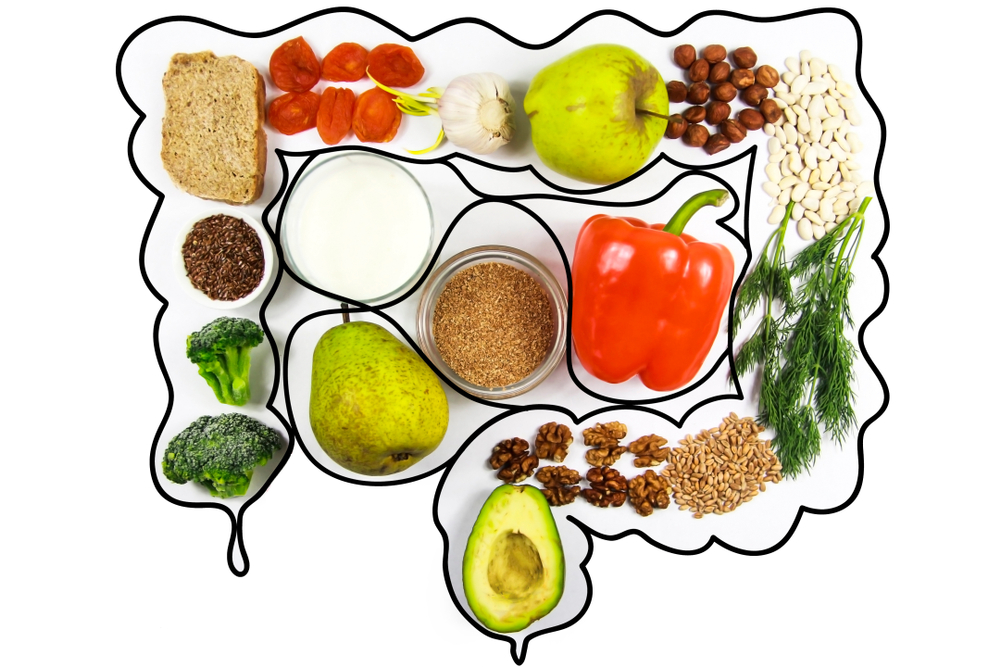
Food is the daily lever that steers your microbiome. Aim for variety and color, prioritizing fiber from vegetables, fruits, legumes, whole grains, nuts, and seeds. Different fibers act as prebiotics, feeding beneficial microbes and encouraging diversity. Include sources of resistant starch like cooled potatoes or green bananas, and rotate leafy greens, brassicas, and root vegetables to keep microbes well supplied. Add fermented foods such as yogurt, kefir, kimchi, sauerkraut, or miso for living cultures and tangy complexity. Polyphenol-rich plants like berries, cocoa, herbs, and extra-virgin olive oil add microbial-friendly compounds with antioxidant benefits. Start gradually if you are increasing fiber to minimize gas or discomfort, and stay mindful of hydration to help fiber move smoothly. Build balanced plates with proteins, healthy fats, and complex carbohydrates, and limit ultra-processed options that offer little to your microbes. Season with spices like turmeric, ginger, cumin, and garlic to layer flavor while delivering additional plant compounds your microbes appreciate.
Probiotics, Prebiotics, and Postbiotics Explained
Understanding the trio of probiotics, prebiotics, and postbiotics helps you use them effectively. Probiotics are beneficial live microbes that can support balance in the gut ecosystem. Prebiotics are fibers and compounds that feed those microbes, helping them flourish. Postbiotics are the beneficial products of microbial activity, including short-chain fatty acids, peptides, and other metabolites that influence the immune system and gut barrier. When choosing probiotic foods or supplements, focus on quality, variety, and consistency rather than chasing novelty. Pair them with prebiotic foods to create synergy, since microbes need fuel to stick around. Start low and observe your body's response, especially if your system is sensitive. For many people, food-first strategies cover the basics, with supplements considered as targeted tools when specific goals arise. Heat-treated or non-viable microbial products can still deliver postbiotic benefits, reminding us that the outcomes microbes produce often matter as much as the microbes themselves.
Lifestyle Habits That Shape Your Gut
Your microbiome is responsive to everyday living. Consistent sleep supports circadian rhythms that guide digestion and microbial activity. Gentle stress management through breathwork, mindfulness, nature time, or creative hobbies calms the gut-brain axis, easing tension-related discomfort. Regular movement improves motility and builds metabolic flexibility; even a short walk after meals can help. Strength work adds benefits for blood sugar and bone health, indirectly aiding gut harmony. Chew slowly, savor textures, and notice fullness cues to give microbes an even flow of nourishment. Prioritize hydration to help fiber do its job while supporting the mucosal barrier. Moderate alcohol, avoid smoking, and be mindful with caffeine if you are prone to reflux or jitters. Meal timing and a gentle overnight fast can provide the digestive system a restorative break. Social connection, laughter, and time outdoors also matter; they enhance parasympathetic tone and remind the body it is safe, a cue your gut understands.
Common Disruptors and Signs to Watch
Several factors can unsettle the microbiome. Overuse of antibiotics and certain medications may reduce diversity, so work with a professional to use them appropriately when needed. Highly processed foods, excess added sugars, and frequent alcohol can encourage less helpful microbes. Chronic stress, irregular sleep, and a sedentary routine may weaken the gut barrier and alter the gut-brain axis. Overly restrictive diets can also narrow microbial niches, while extreme cleanliness might limit microbial exposures that teach the immune system. Notice early signals: persistent bloating, irregular bowel habits, heartburn, sugar cravings, brain fog, low mood, or skin irritation. Pay attention to red flags such as severe pain, unexplained weight changes, fever, or blood in stool, which warrant prompt medical care. Rather than chasing quick fixes, consider gentle course corrections and supportive habits. Sustainable changes restore balance more reliably than dramatic swings, and a personalized approach acknowledges that your gut story is uniquely yours.
Building Your Personal Gut Health Plan
Start with one actionable step and build momentum. Create a plant-forward plate at most meals, add a small serving of fermented foods, and rotate prebiotic fibers to cultivate diversity. Plan simple staples: a hearty bean and grain bowl with colorful vegetables, a greens-packed omelet with herbs, or a soup rich in lentils and root vegetables. Keep nuts, seeds, and fruit handy for fiber-friendly snacks. Batch-cook legumes and whole grains, and stock your pantry with spices to keep flavors exciting. Track how foods and routines make you feel using a brief journal noting energy, digestion, mood, and regularity. Layer lifestyle supports: consistent sleep, daily movement, mindful hydration, and brief relaxation breaks. Explore gentle experiments, like a week of new produce or a different fermented food, and observe the results. If challenges persist, collaborate with a healthcare professional or dietitian for tailored guidance. Over time, small, steady practices grow a resilient microbiome and a happier, more comfortable life.