How to Read Food Labels Like a Pro
Decode nutrition facts and ingredient lists, spot added sugars, fats, and sodium, understand serving sizes, and make smarter, healthier grocery choices.
Start With Serving Size: Reading a food label like a pro begins with the Serving Size. This number anchors every other value, from Calories to Sodium and Added Sugars. Check the Servings Per Container to see whether the package holds one portion or several. If you eat more or less than the stated serving, scale the numbers up or down to reflect what you actually consume. A small-looking snack can hide multiple servings, which can quietly multiply energy, fat, and sugar intake. Notice whether the serving is listed in familiar household measures, like cups or tablespoons, or in grams; both can help you measure more accurately at home. For items like cereal, chips, and beverages, compare what you typically pour or scoop with the label's serving to avoid surprises. Treat the serving size as a reality check and as a planning tool for meals, snacks, and family portions, so the rest of the label tells you the story that truly fits your plate.
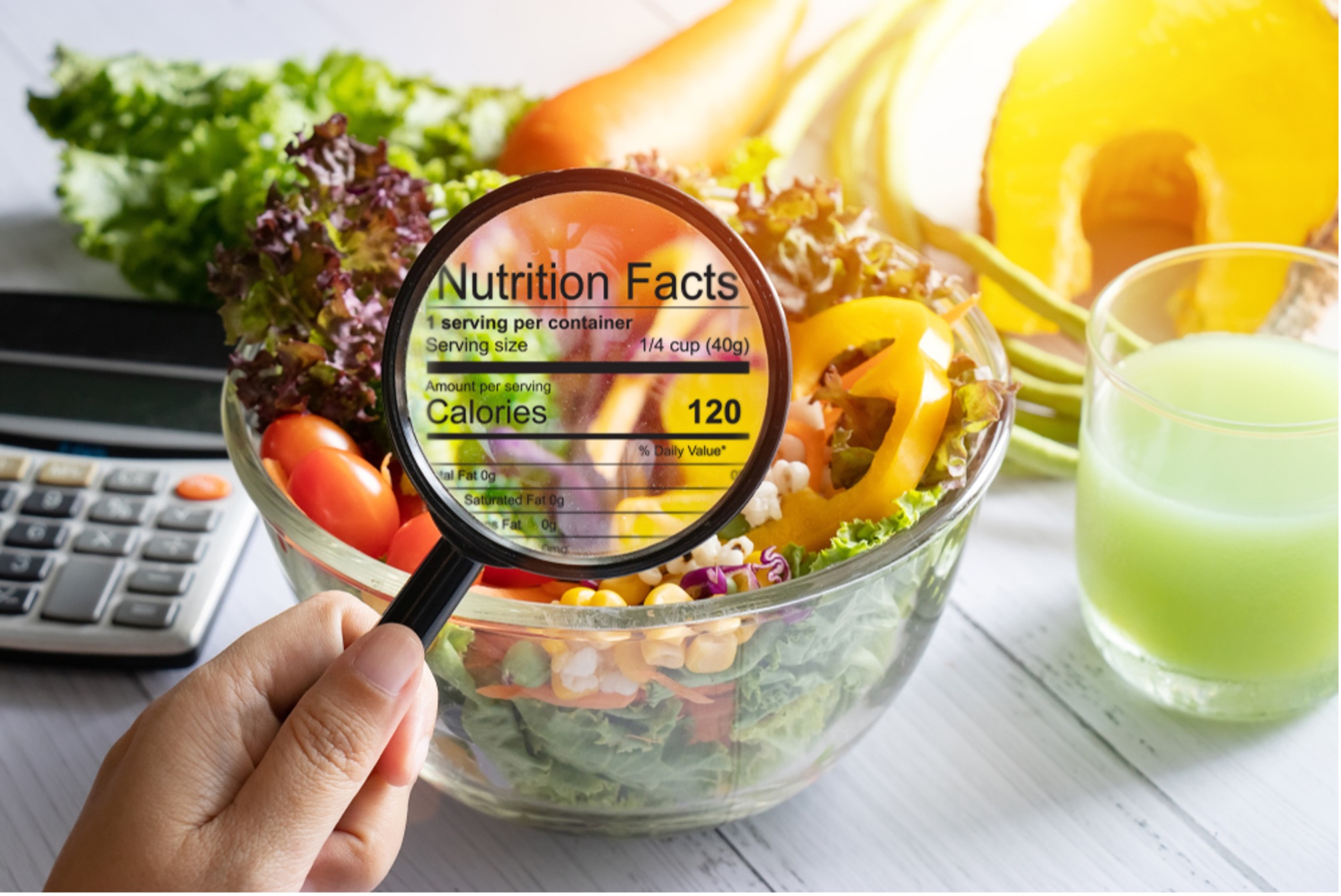
Focus On Calories And Energy Density: Calories show how much energy you get per serving, but context matters. Pair the number with Calorie Density and Satiety cues. Foods richer in Fiber and Protein often keep you fuller longer than ultra-refined choices with similar calories. Beverages can deliver many calories with little satisfaction, so scan those labels carefully. Sauces, dressings, and condiments also add up quickly, especially when portion sizes drift. If a product looks modest but lists high calories for a small serving, consider how it was prepared or concentrated. Compare similar items across brands to find options that deliver flavor without spiking total intake. For everyday meals, think in meals and snacks rather than isolated servings; the label guides you to assemble a balanced day. Use calories as one piece of a bigger puzzle, aligned with your goals for energy, activity, and appetite, not as the only factor driving your choices.
Decode The Macronutrients: Move beyond calories by examining Macronutrients: Carbohydrates, Protein, and Fat. Within carbs, prioritize Fiber, a marker of quality that supports fullness and digestive health. Distinguish Total Sugars from Added Sugars, since added sweeteners can stack up fast across snacks and drinks. For fats, check Saturated Fat and watch for Trans Fat; even when trans fat reads zero, scan the Ingredients List for partially hydrogenated oils, which are best avoided. Embrace sources of Unsaturated Fats like nuts, seeds, and certain oils when they fit your goals. Protein supports muscles, recovery, and satiety; verify that the grams listed match your needs per eating occasion. If a product is labeled high protein, make sure it is not also high in Sodium or Added Sugars. Remember, macronutrient balance is personal; athletes, desk workers, and children may need different ratios. The label equips you to tailor choices that satisfy taste, health, and lifestyle.
Master Percent Daily Value: The Percent Daily Value (%DV) helps you gauge whether a nutrient in a serving is a little or a lot. As a rule of thumb, around 5% DV is considered low and around 20% DV is considered high, which makes it a quick comparison tool on the shelf. Use %DV to limit nutrients you want less of, such as Sodium, Saturated Fat, and Added Sugars, and to seek more of helpful ones like Fiber, Calcium, Iron, and Potassium. Because %DV is based on general guidelines, it is a compass rather than a personalized prescription. Your needs may vary with age, activity, and health goals. When comparing similar products, line up their %DV columns to quickly spot better options. If serving sizes differ, %DV still offers perspective, but also glance at the grams and milligrams to ensure you are comparing fairly across brands and package formats.
Read The Ingredients List Like A Detective: The Ingredients List is ordered by weight, revealing what the product is mostly made of. Seek Whole Grains over refined flours, and watch for multiple forms of Added Sugars scattered under different names like cane sugar, syrups, honey, maltose, or dextrose. Grouping these mentally can help you see the true sweetness load. Scan for Allergens that are often highlighted, and note any may contain or processed in a facility statements if cross-contact matters for your household. Understand common additives: Emulsifiers stabilize texture, Preservatives extend shelf life, and Natural Flavors adjust taste. Shorter lists can be simpler, but longer lists are not automatically bad; context and purpose matter. If a product claims whole-food virtues, the first few ingredients should reflect that story. Over time, you will recognize patterns across categories, from yogurt to soups to snack bars, making it easier to spot quality quickly.
See Through Health Claims And Buzzwords: Front-of-pack claims can be helpful, but they are marketing shortcuts. Terms like Natural, Light, Multigrain, or No Added Sugar can mean different things depending on the product. Light might refer to calories, fat, color, or flavor; multigrain may simply mean several refined grains, not necessarily Whole Grain. No added sugar does not guarantee low sugar if fruit concentrates or naturally sweet ingredients dominate. Fat-Free items may compensate with extra Added Sugars or starches, while High Protein snacks can carry notable Sodium. Claims such as organic or non-GMO speak to sourcing, not inherently to sugar, salt, or fat content. To verify any promise, flip to the Nutrition Facts and Ingredients List. Use the front as a quick flag, then let the back confirm the reality. With practice, you will reward products that deliver real substance, not just shiny words.
Practical Grocery Aisle Strategies: Turn label skills into habits. When comparing products, standardize by using per serving and, when available, per 100 grams or milliliters for a fair match-up. Pair this with Unit Pricing on the shelf to balance nutrition with budget. Check preparation notes; some items are measured dry but consumed cooked, or require added oil, milk, or seasoning that changes the numbers. For pantry planning, read Date Labels carefully; best before suggests quality, while use by speaks to safety. If you manage allergies, scan for Allergen statements every time, even across flavors from the same brand. For special patterns like Vegan, Low-Sodium, or High-Fiber, verify claims against the panel, not just icons. Finally, think in meals: combine items so the overall plate delivers Protein, Fiber, color, and satisfaction. Consistent, calm label reading builds confidence, trims guesswork, and makes the grocery trip work for your health and your taste buds.