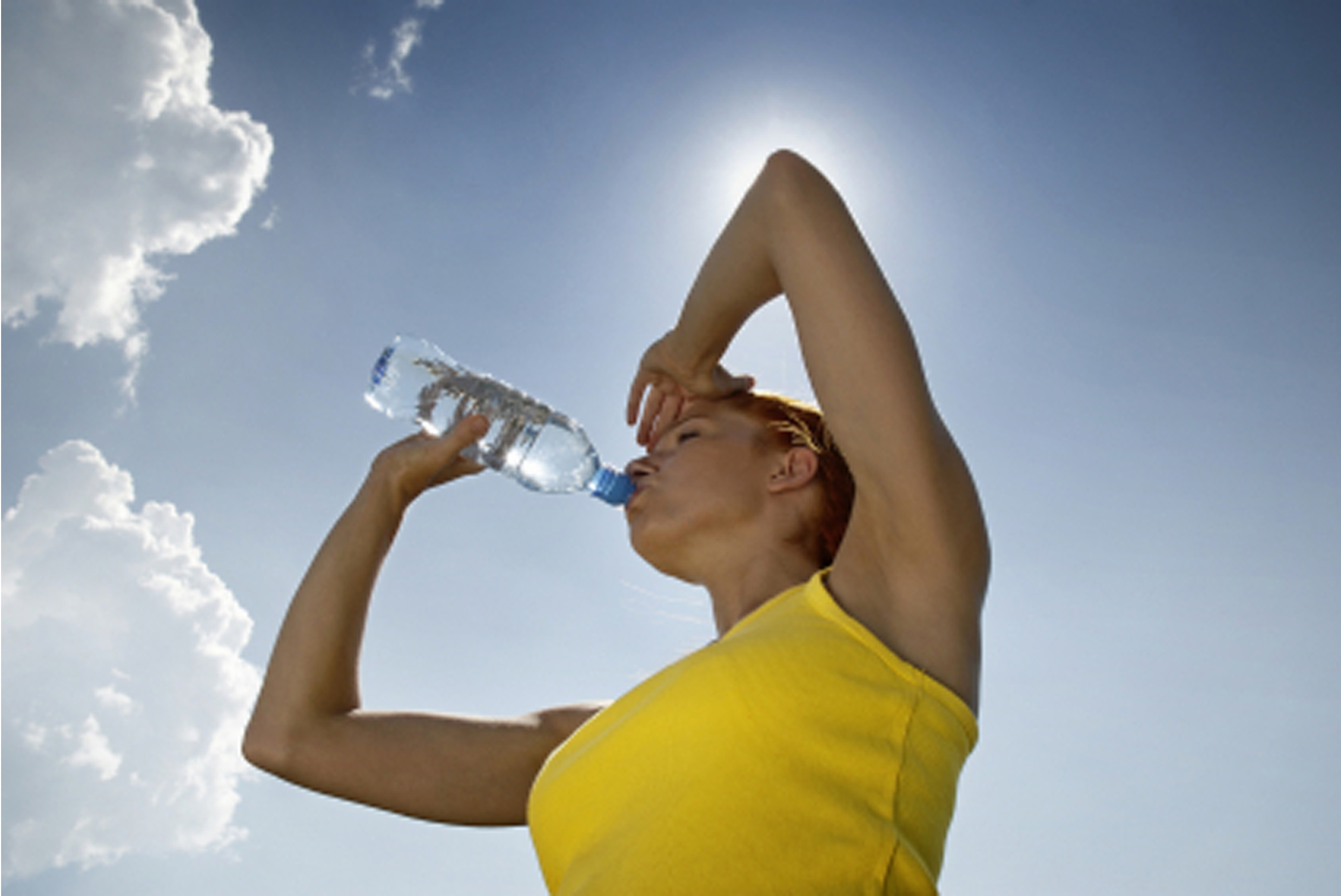
Hydration Myths and Facts for Better Health
Separate hydration myths from facts: how much water you really need, when to use electrolytes, and smart habits to stay safely hydrated.
Hydration Basics
Hydration is the quiet engine of well-being, supporting temperature control, nutrient transport, joint lubrication, and cellular energy. Your body continually loses fluid through breath, sweat, and urine, so replacing it is essential for stable performance and comfort. A common myth says only plain water counts, but hydration comes from many beverages and water-rich foods. Broths, fruits, vegetables, milk, and even sparkling water contribute to your total intake. What matters most is net fluid balance over the day. Signs you are under-hydrated include dry mouth, dark urine, headaches, and a drop in focus or mood. On the flip side, rushing to drink excessive amounts can also backfire. Think of hydration as a flexible practice, not a rigid rule. Tune in to thirst, climate, activity, and how you feel. When you align fluid intake with your body's cues, you support resilient digestion, clearer thinking, and steadier energy without overcomplicating the process.
Beyond the 8-Glass Rule
The old 8-glass rule is simple, but it is not a one-size-fits-all mandate. Your ideal intake varies with body size, activity level, health status, and environment. Warm weather, dry indoor air, intense workouts, or salty meals can increase needs. Meanwhile, soups, smoothies, juicy produce, and dairy quietly boost fluid without you noticing. Instead of chasing a fixed number, focus on total hydration from drinks and foods. A practical approach is to aim for pale yellow urine color, minimal midday slump, and a comfortable level of thirst. Spread fluids across the day rather than chugging all at once, and adjust based on sweat, bathroom frequency, and appetite. If you are very active or live in a hot climate, you may require more; on rest days or in cool conditions, you may need less. Personalized, responsive intake outperforms a rigid quota and helps you stay consistently hydrated without overthinking it.
Coffee, Tea, and Caffeine
A persistent myth claims coffee and tea dehydrate you. In reality, caffeinated beverages provide net fluid for most people. While caffeine has a mild diuretic effect, regular consumers develop tolerance, and the fluid you drink usually outweighs any extra loss. That said, be mindful of ultra-strong brews or energy drinks that combine high caffeine with sugar, which may upset digestion or sleep. Herbal teas are naturally free of caffeine and can be soothing options, especially in the evening. Contrast this with alcohol, which is genuinely dehydrating by increasing urine output and disrupting fluid balance. Pair alcoholic drinks with water and consider a glass of water before bed to recover. Lightly sweetened or unsweetened beverages, diluted juices, and milk can all support hydration, depending on your preferences and tolerance. The takeaway: coffee and tea can absolutely count toward your daily fluids. Pay attention to how your body feels, and balance choices to protect energy, mood, and hydration.
Clear Urine and Overhydration
Another myth says crystal-clear urine is the gold standard. In truth, consistently water-clear urine can signal overhydration, which dilutes electrolytes like sodium. In extreme cases, this can lead to headache, nausea, confusion, or cramping, especially in endurance athletes who replace sweat with only plain water. Aim for pale straw to light yellow urine most of the time, which indicates balanced hydration without excessive dilution. If you are sweating heavily, pair fluids with a source of sodium and other electrolytes from food or drink. Salted meals, fermented vegetables, broth, or purpose-built electrolyte options can help you maintain fluid balance without overloading on sugar. Sip steadily rather than pounding large volumes at once, and let thirst guide you between planned drinks. Remember, more is not always better. The sweet spot is enough fluid to feel clear-headed and comfortable, with urine that stays light in color and trips to the bathroom that feel normal for you.
Sports Drinks vs. Real Needs
Many people assume sports drinks are necessary for every workout. In reality, most sessions under an hour at moderate intensity do not require specialized beverages. Water plus a balanced diet typically covers your needs. Consider electrolytes when events are long, sweaty, or in hot conditions, or if you are a salty sweater prone to cramps. In those cases, options with sodium, potassium, and a modest amount of carbohydrates can support performance and comfort. A simple approach is diluted fruit juice with a pinch of salt, water paired with a salted snack, or a commercial electrolyte drink with reasonable sugar content. If you are curious about your sweat rate, weigh yourself before and after exercise to gauge fluid loss and guide replacement. Avoid overcorrecting by drinking beyond thirst; balance is key. Let the duration, intensity, climate, and how you feel determine whether water alone is enough or if an electrolyte strategy adds value.
Thirst Cues and Special Considerations
Thirst is a reliable guide for many adults during ordinary days, but certain situations call for extra attention. Older adults may experience blunted thirst cues, children rely on caregivers to offer fluids, and pregnant or breastfeeding individuals often need more. Illness with fever, vomiting, or diarrhea can quickly increase losses, making steady sips and electrolytes important. Travel, especially to high altitude or in very dry air, also raises fluid needs. Build a gentle rhythm: start the day with a glass of water, drink with meals, and sip around activity. Flavoring water with citrus, mint, or cucumber can make consistency easier without excess sugar. If you take medications or have conditions affecting the heart, kidneys, or hormones, ask a clinician about personalized goals. The aim is not forced chugging but responsive, comfortable hydration that supports digestion, cognition, and mood. Tuning your plan to your context is a smart, sustainable way to protect health.
Daily Strategies for Success
Sustainable hydration comes from small, repeatable actions. Keep water visible, refill a favorite bottle, and set gentle reminders if you tend to forget. Include hydrating foods like berries, melon, leafy salads, yogurt, and soups. Pair water with meals and snacks to make drinking effortless. If plain water is dull, try fizz, citrus slices, herbs, or a splash of juice for flavor. Balance caffeine and alcohol with water, especially during social events or travel. After long workouts or hot days, add electrolytes or a salty snack to support fluid balance. Use urine color as a simple check and adjust based on activity, climate, and how you feel. Above all, ignore myths that push extremes. Neither deprivation nor overconsumption is helpful. If you have medical concerns, discuss targets with a healthcare professional. Consistent, flexible habits beat rigid rules and keep your body's systems humming, so you can think clearly, move comfortably, and feel your best every day.