Inside Fan Culture: How Fandoms Build Community
From cosplay meetups to online forums, fandoms transform shared passions into lasting bonds, activism, and support networks across cultures.
Spark of Belonging. In entertainment fandoms, a single scene, lyric, or plot twist can light a signal flare that gathers strangers into a shared orbit. These sparks turn solitary enjoyment into shared passion, weaving people into a collective identity that feels both intimate and expansive. Fans arrive with different backgrounds and expectations, yet they quickly recognize familiar emotions: anticipation before a release, comfort in rewatch rituals, and the relief of finding others who understand why a character arc matters so much. Casual chats blossom into micro-communities where kindness, recommendations, and playful debates create social glue. What begins as appreciation of a show, album, game, or franchise often becomes a supportive network that celebrates personal wins, encourages creativity, and softens tough days. The magic lies in resonance: when a narrative holds hope, humor, or struggle, fans mirror those themes for one another. In this way, fan culture does more than amplify entertainment; it cultivates belonging, purpose, and a durable sense of us, rooted in stories that people love to love.
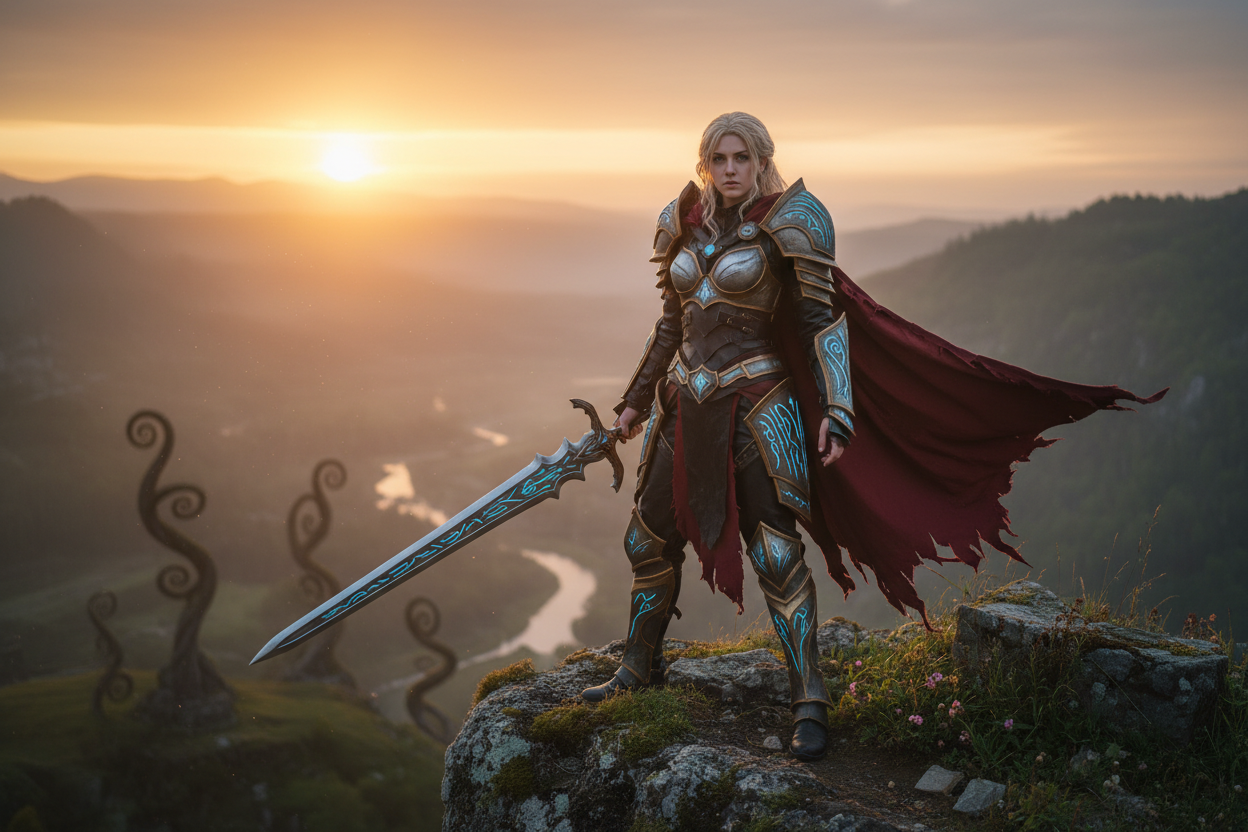
Rituals, Lingo, and In-Jokes. Healthy fandoms develop rituals that transform passive viewing into communal ceremony. Watch parties sync time zones for collective gasps, reaction threads document laughter and tears, and countdown posts build momentum that feels almost theatrical. Over time, a specialized lexicon emerges: memes, abbreviations, and playful nicknames that act like a passport to the culture. These in-jokes are not merely amusing; they encode values and community norms, signaling what the group celebrates and where it draws boundaries. Welcoming spaces pair this insider language with helpful glossaries, mentorship threads, and spoiler courtesy, ensuring that newcomers can onboard without anxiety. Ritual also sustains continuity between releases, filling the quiet weeks with rewatch projects, prompt games, playlist swaps, and art challenges that keep the pulse alive. By repeating patterns of celebration and care, fans forge rhythm and reliability. The result is a living tapestry of shared meaning, where even a simple phrase or emoji can unlock laughter, memory, and instant connection.
Creative Co-Creation. Fandoms thrive on participatory culture, where fans move from spectators to makers who remix and expand the worlds they love. Fan fiction reimagines character journeys, transformative works turn screenshots into layered commentary, and cosplay translates imagination into fabric, foam, and performance. These creations are not side notes; they are community engines that spark dialogue and deepen interpretation. A drabble can launch a weeklong discussion about motive and theme, while a speedpaint stream may inspire others to share process tips or color palettes. Feedback loops of kudos, comments, and constructive critique strengthen skills and confidence, creating a virtuous cycle of making and learning. Most communities codify respectful ethics around consent, credit, and tagging, protecting creators while encouraging experimentation. Through zines, virtual exhibitions, and collab playlists, fans curate culture for each other, building archives that outlive any single release window. In this co-creative space, entertainment becomes a sandbox where imagination, craft, and friendship flourish in tandem.
From Screens to Shared Spaces. Digital gathering places turn scattered interest into sustained community. Message boards, group chats, and streaming rooms host daily conversation, while long-form essays and meta threads nurture deep analysis. These platforms are more than venues; they are infrastructures that support moderation, safety practices, and rituals of welcome. Good hosts curate clear guidelines, spoiler etiquette, and content warnings, cultivating trust that lets people be enthusiastic without fear of ridicule. Crucially, the best fandoms bridge online and offline life. Conventions, local meetups, and viewing events translate handles into handshakes, building hybrid communities that feel tangible and resilient. Accessibility matters, so virtual panels, captioned streams, and time-shifted activities keep doors open across time zones and constraints. Whether celebrating a finale or comforting each other after a character loss, these spaces offer continuity and care. The screen becomes a doorway, not a wall, ushering fans into rooms where curiosity, camaraderie, and creativity always have a seat.
Organized Energy and Impact. The same enthusiasm that powers squee-filled threads can fuel real-world action. Fandoms excel at collective action, channeling attention into charity drives, creative fundraisers, and visibility campaigns that showcase values as well as favorites. Micro-leadership thrives: one person designs a template, another tracks milestones, and a handful coordinate time zones, graphics, and messaging. These projects become learning labs for community organizing, teaching skills in project management, conflict resolution, and storytelling with purpose. Fans also innovate playful tactics that align with entertainment habits, such as coordinated streaming parties, review marathons, and themed challenge weeks that reward participation while boosting signal. Importantly, ethical frameworks matter; responsible groups avoid brigading, respect creator boundaries, and practice transparency about goals and outcomes. When coordinated with care, fan efforts ripple outward, reminding everyone that joyful attention can uplift causes, creators, and each other. Directed wisely, fandom energy is not only loud; it is generous, strategic, and beautifully effective.
Sustaining Joy and Healthy Boundaries. Long-lived communities protect their spark by tending to well-being, inclusivity, and boundaries. Clear codes of conduct discourage gatekeeping and harassment, while de-escalation practices turn heated debates into opportunities for listening and repair. Fans learn to balance passion with pacing, stepping back when timelines feel overwhelming, muting conflict-heavy tags, and curating feeds that support mental health. Healthy groups normalize consent in all interactions, from feedback on works in progress to photo requests at cosplay gatherings. They celebrate diverse perspectives, acknowledging that multiple readings can enrich, not threaten, the canon. Conflict will surface, but structured mediation, mod transparency, and restorative approaches help communities recover rather than fracture. Finally, sustainability means leaving room for life's seasons; members can drift, return, or explore new interests without guilt. By protecting dignity and modeling care, fandoms keep the joy of entertainment bright, ensuring that the culture remains welcoming, resilient, and wonderfully human.