Lips, Cheeks, and Eyes: Color Tips That Work in Any Light
Master flattering shades for lips, cheeks, and eyes—from daylight to candlelight. Pro tips on undertones, textures, and techniques that always translate.
Light-Smart Color Basics
Color is a shape-shifter under different bulbs and skies, so the best makeup choices are the ones that stay flattering no matter what. Think in terms of color temperature, undertone, and finish. Warm lighting can make cool pinks look a touch gray, while cool lighting can flatten peaches into chalk. To bridge that gap, reach for shades with balanced saturation—not too neon, not too muted—and finishes that reflect light softly. Satin and sheer textures bend with the environment, keeping skin lively without a heavy cast. When you're unsure, hold the color near your face in natural light, then under indoor light, and look for steadiness: it should neither turn ashy nor overly orange. Build color in thin layers so you can calibrate for brightness or dimness on the spot. The more adaptable your textures and tones, the more reliably your lips, cheeks, and eyes will read as fresh, dimensional, and intentional in any setting.
Know Your Undertone
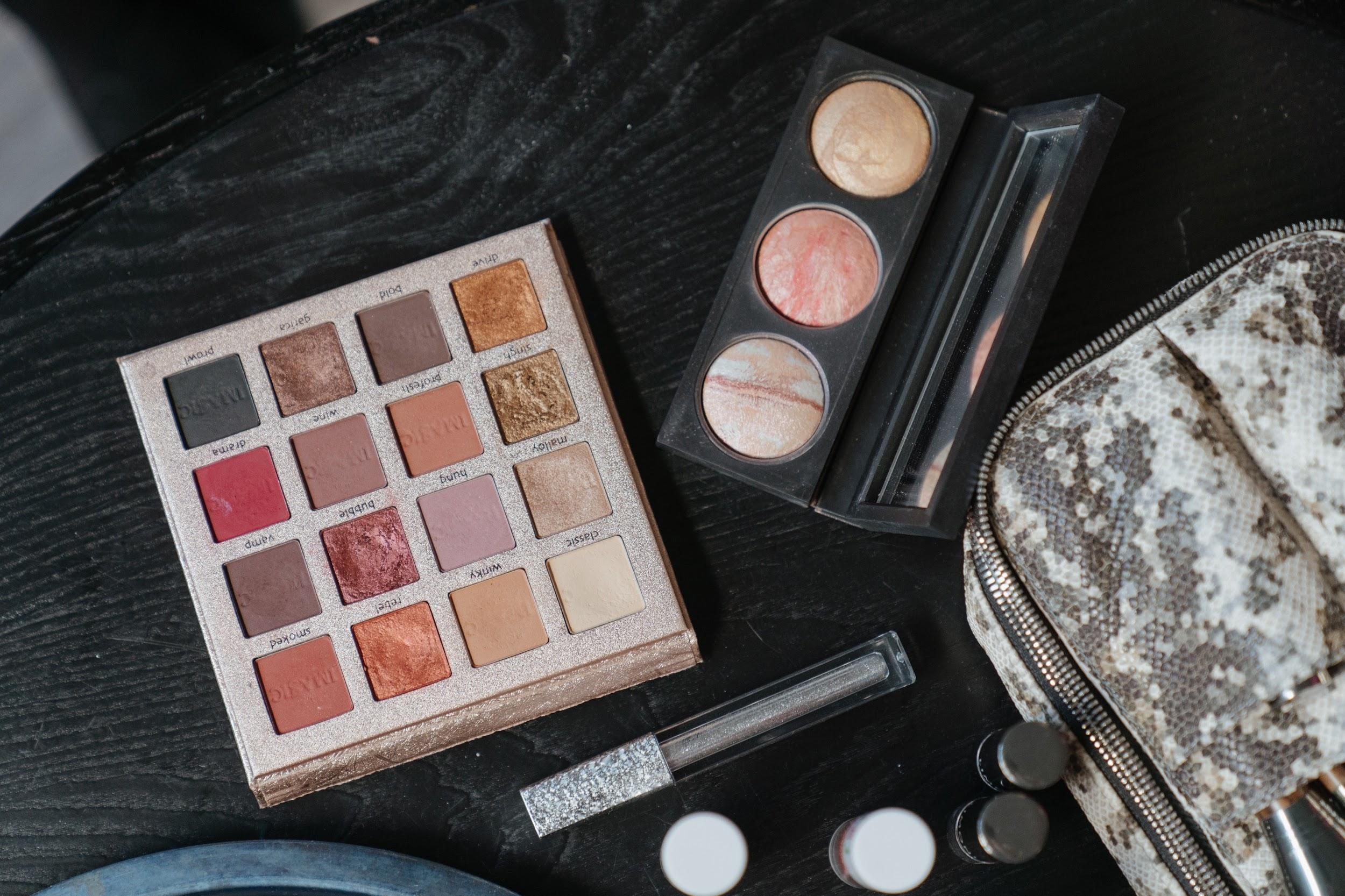
Your personal undertone is the anchor of color that works under every bulb. If your skin leans warm, tones with golden, peach, or terracotta hints usually harmonize; if you're cool, look for rose, berry, or plum notes. Neutral undertones can flex either way, but aim for balanced hues that carry both warmth and coolness. The goal is harmony, not sameness: a touch of opposition can brighten the face, while complete mismatch can emphasize redness or sallowness. On lips, think rose-beige, caramel-berry, or soft currant; on cheeks, peach-rose and muted coral-berry are versatile; for eyes, taupe, cocoa, and soft mauve adapt beautifully. Test by swiping color on the face, not the hand, and check in multiple lights. If the shade softens discoloration and enhances natural flush without stealing the spotlight, it's a keeper. Lock this in as your baseline palette; from there, you can dial up depth, shine, or contrast without losing cohesiveness.
Adaptive Lip Color
Lips change most under shifting lighting because shine and pigmentation throw different cues. Choose mid-depth shades with balanced saturation so they won't wash out in bright daylight or disappear under indoor fixtures. A satin or sheer stain hugs the mouth with a natural radiance that doesn't glare; if you prefer matte, keep it creamy rather than flat to avoid a chalky cast. Start with a soft liner in a near-natural tone to shape subtly, blur the edges with a fingertip for a modern, diffused look, then layer color in thin passes. In cool, stark light, add a dab of warmth with a peach or caramel glaze. In warm, dim rooms, a hint of berry or plum restores definition. Avoid ultra-pale nudes that erase the lip line or ultra-vivid neons that can dominate the face. A translucent balm lightly pressed on top can add life without turning glossy, maintaining flexible, camera-friendly finish in any environment.
Universal Cheek Strategy
Cheeks are the bridge between lip and eye color, so they're crucial for cohesion. Opt for sheer, buildable formulas—cream-gels in particular—because they mimic skin's natural moisture and play nicely with fluctuating light. Shades with a balanced base, like peach-rose, rosy-beige, or muted coral, keep warmth and coolness in check. Place color where you naturally flush—usually the upper apples—then sweep toward the temples for lift. If your lighting is cool and unforgiving, layer a whisper of warmth; if it's very warm, temper with a slightly rosier veil. For radiance, choose micro-fine sheen over chunky sparkle; a gentle satin glow keeps texture refined and avoids harsh flashback. Powder can be used strategically to stabilize wear—tap a translucent veil only where needed, preserving skin's life elsewhere. A touch of bronzer that's one step softer than your blush can contour gently, knitting the face together without obvious stripes.
Eyes That Read in Every Setting
For eyes that look polished in any light, build dimension with dependable neutrals and careful finish choices. Start with a mid-tone matte—think taupe or soft almond—through the crease to create structure without harsh lines. Deepen the outer corner with cocoa or soot-brown to define, then add a satin shimmer on the lid center for a refined, light-catching effect that won't turn frosty under cool bulbs. Avoid chalky pales or glittery chunks; they can gray out or emphasize texture. Liner can be soft espresso, deep plum, or navy for subtle contrast that enhances iris color without shouting. Smudge edges slightly to keep the look modern, and anchor with a clean lash line and lifted mascara. If your lighting is warm and dim, a touch more shimmer revives the eye; if it's cool and bright, lean on matte transitions for smoothness. Brows with natural shape and moderate definition frame everything, preventing colors from floating.
Balancing Saturation and Contrast
A timeless rule: let one feature lead while the others support. This balance of saturation and contrast keeps your look coherent as lighting shifts. If you're wearing a bolder lip, keep cheeks sheer and eyes softly defined. If eyes are the star, choose a muted lip and a whisper of blush to tie tones together. Monitor contrast relative to your environment: bright daylight magnifies depth and shine, so dial down intensity and favor satin or soft-matte finishes. Under dim, warm light, step up color by one layer and add a hint of warmth so features don't fade. Texture also influences contrast—velvety mattes absorb light, while reflective surfaces amplify it—so mix them thoughtfully. A translucent setting veil where you naturally shine maintains clarity without flattening skin. The sweet spot is a cohesive triad—lips, cheeks, eyes—speaking the same color language, each at a different volume.
Real-World Testing and Maintenance
The most reliable technique is a quick lighting tour. After application, check your face near a window, in a hallway, and in a bathroom mirror; the goal is stability of tone, not sameness of brightness. A fast phone snapshot can reveal issues your eye glazes over, like over-bright highlight or uneven saturation. Pack small helpers: a multipurpose cream stick for cheeks and lips to re-sync color, blotting papers to refine shine without changing finish, and a balancing balm to revive texture. If a lip looks too cool in warm light, tap on a touch of peach; if cheeks read too warm in cool light, feather in a rosy veil. Refresh mascara by combing through lashes instead of piling on. Keep brushes and sponges clean so undertones stay true. Most of all, embrace sheer, adjustable layers—they're frictionless to correct, beautifully skin-like, and consistently flattering from morning to midnight.