Mastering Layering: From Basics to Statement Looks
Learn the art of layering: build foolproof bases, add depth with textures, balance proportions, and turn essentials into standout, seasonless looks.
Start With Smart Foundations
Layering starts with the right base layer. Choose breathable fabrics that manage moisture and allow easy movement, because a comfortable base sets the tone for everything you add on top. A fitted tee, turtleneck, or fine-gauge knit provides a sleek canvas that prevents bulk and supports a clean silhouette. For the mid layer, think cardigans, overshirts, light vests, or soft hoodies that add warmth and texture without overpowering the look. Your outer layer should anchor the outfit: a blazer for structure, a trench for fluidity, a denim or leather jacket for casual edge. Pay attention to necklines and hemlines so each piece peeks out deliberately, not randomly. Cuffs, collars, and hems are style cues; when they align, the outfit feels intentional. Prioritize fit across all layers—slim under looser, crisp under relaxed—so mobility remains intact. When in doubt, remove a layer and check balance. If the look still feels cohesive, you have mastered restraint.
Play With Proportion and Silhouette
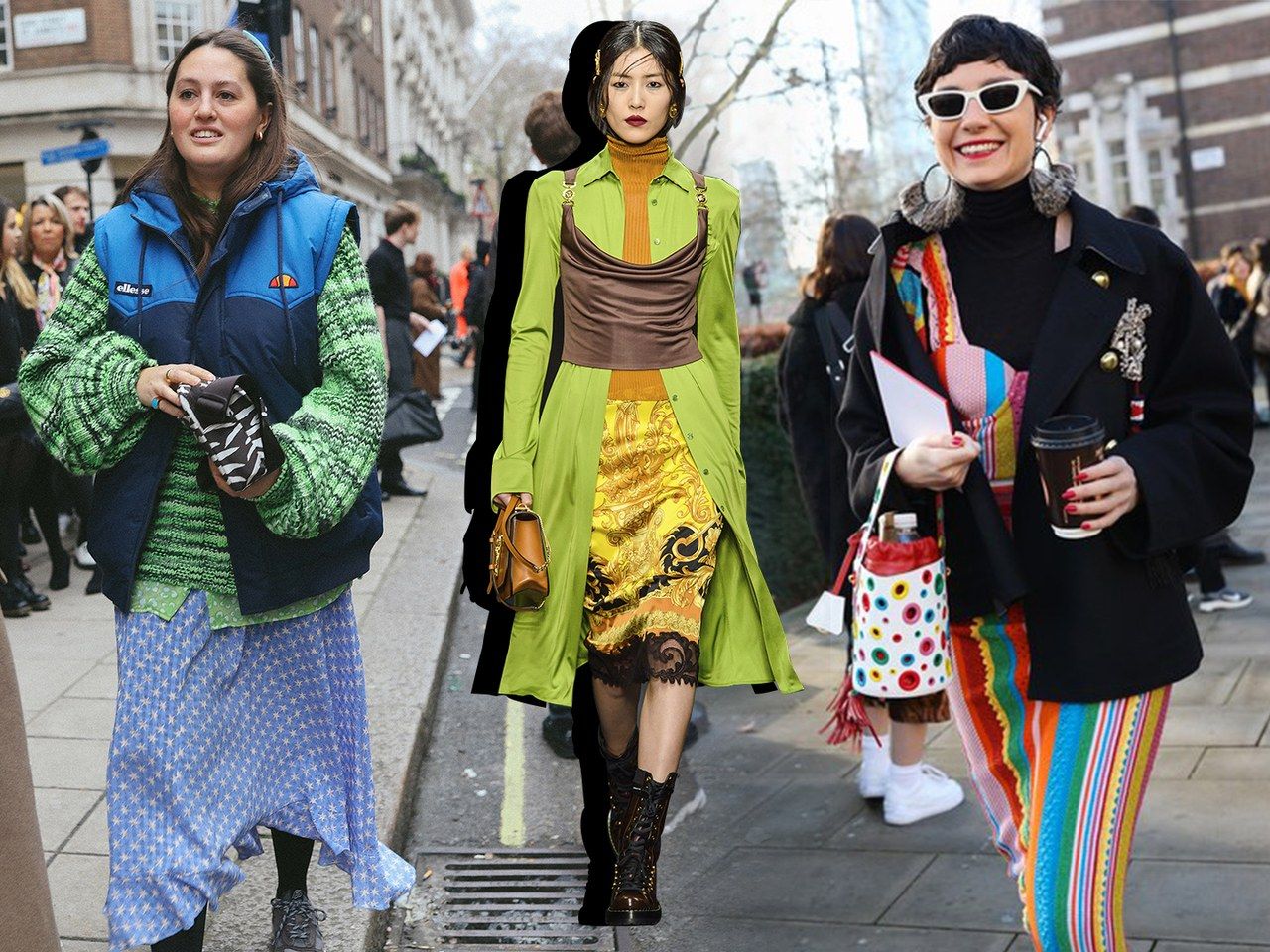
Great layering is a conversation between proportion and volume. Use the rule of thirds to guide where garments start and stop, creating visual rhythm from shoulder to shoe. Pair cropped pieces with longer ones to emphasize vertical lines, and try long over lean, like a sweeping coat over straight trousers. A slight tuck or half-tuck defines the waist and sharpens the silhouette, while rolled cuffs spotlight forearms and watches. Belts and drawstrings can cinch volume when a layer feels too floaty. Sneakers, loafers, or boots alter the overall visual weight at the base, so sample footwear to find your best balance. Keep shoulder seams clean to avoid slouch; drop shoulders read casual, tailored shoulders read polished. Remember that a single exaggerated element—an oversized blazer, a wide-leg pant, or a dramatic coat—works best when the supporting pieces stay streamlined. Your aim is controlled contrast: each layer distinct, yet harmonized.
Texture and Fabric Weight
Texture is the secret spice of layered style. Combine matte and sheen, smooth and chunky, soft and structured to create depth that photographs beautifully and feels rich in person. A ribbed knit under a crisp cotton shirt introduces subtle relief, while suede next to denim adds soft grit. Manage fabric weight thoughtfully: fine layers closest to the skin, medium textures in the middle, substantial fabrics on the outside. This tiering supports comfort and prevents sagging. In warmer weather, rely on breathable weaves, open knits, and airy blends that circulate air; in cooler conditions, choose insulating wools, quilted pieces, and brushed finishes that trap heat. If a look feels heavy, swap one dense layer for two lighter ones to regain breathability without losing warmth. Pay attention to drape—stiff fabrics can stand away from the body, while fluid ones skim and pool. When textures complement rather than compete, you achieve tactile harmony.
Color, Contrast, and Cohesion
A thoughtful color story makes layered outfits feel cohesive. Start with a neutral backbone—tones like black, navy, gray, tan, cream, or olive—to create a calm base. Then introduce contrast strategically: a saturated scarf, a rich mid layer, or a tonal shift from light to dark. Monochrome works brilliantly when you vary texture and value, stacking similar hues in different materials to keep the eye engaged. For multi-color looks, use two supportive colors and one accent, letting accessories carry the brightest note. Consider undertones; cool neutrals sit naturally with blues and charcoals, while warm neutrals flatter browns and earthy reds. When pattern mixing, anchor with a dominant motif like stripes or checks, then add a smaller-scale print in related colors. Keep hardware consistent; silver or brass details repeated across belt buckles, zippers, and jewelry bind the palette. The goal is visual continuity, where every layer speaks the same language.
Functional Details That Elevate
Smart details make layers feel intentional and wearable. Seek utility features like two-way zips, snap plackets, side vents, and adjustable cuffs that fine-tune airflow and ease. Lightweight vests add versatility, sliding under blazers or over knits without restricting arms. Pocket placement is practical and aesthetic; chest pockets draw the eye up, while lower patch pockets anchor the look. Scarves are modular layers: looped tight for warmth, draped long for elegance, or tucked under a lapel for subtle volume. Belts define shape over chunky sweaters or tailored coats, turning slouch into structure. Small accessories carry big impact—thin socks that bridge trouser and shoe, a knit beanie for texture, or a slim leather glove for polish. Consider modularity: garments that pack down, detach, or reverse expand your options without adding bulk. When form meets function, you gain outfits that adapt from commute to meeting to evening with minimal fuss.
From Minimal to Statement Layering
A minimal approach relies on two to three immaculately chosen layers that emphasize clean lines and precise fit. Think a fine turtleneck under a tailored blazer with a streamlined coat, finished by low-profile sneakers or sleek boots. To dial up drama, pivot to statement layering: try a structured blazer over a hoodie, a slip dress over a ribbed knit, or a gilet under a trench for unexpected dimension. Introduce a hero piece—a standout coat, an artful knit, or sculptural outerwear—and keep supporting items quiet so it remains the focal point. Mix high-low elements by pairing refined tailoring with workwear textures, or athletic layers with classic wool. When doubling outer layers, let the inner one be shorter and sharper, and the outer one longer and looser for depth without chaos. The art is contrast with control; let silhouette, texture, or color lead, not all three at once.
Care, Storage, and Sustainable Choices
Great layering draws on a wardrobe that lasts. Prioritize longevity through proper care: air knits between wears, steam instead of over-washing, and brush wool to revive fibers. Fold heavier sweaters to prevent stretching and use shoulder-shaped hangers for coats and blazers. Rotate frequently worn staples so they recover their shape. Small repairs—securing buttons, darning elbows, mending hems—extend life and maintain polish. Build a flexible capsule of layer-friendly pieces in cohesive neutrals, then sprinkle in signature textures or colors to keep outfits fresh. Consider sustainability by investing in quality fabrics, choosing versatile silhouettes, and exploring pre-loved options or alterations before buying new. Seasonal storage matters: clean garments before stowing, use breathable bags, and add cedar for natural protection. When your foundation is cared for, layering becomes effortless, creative, and responsible, giving you more looks with fewer pieces and a wardrobe that works year after year.