Posture Fixes for Desk Workers
Beat desk slouching with simple, science-backed fixes: better ergonomics, microbreaks, and quick exercises to keep your spine happy.
Set Up Your Foundation
A healthy desk posture starts with the neutral spine and an environment that supports it. Position your monitor so the top third sits at eye level, an arm's length away, to prevent forward head drift. Keep shoulders relaxed, elbows near your sides, and forearms parallel to the ground with a slight downward angle. Aim for hips slightly higher than knees, feet flat on the floor or on a footrest to create a stable base. Use a small lumbar support or a folded towel to maintain the natural curve in your lower back, and recline the chair backrest slightly to share load through the chair. Place keyboard and mouse close to avoid reaching, and keep wrists in a neutral line rather than cocked up. If you take calls, use a headset instead of cradling the phone. Think of this setup as your posture autopilot: when ergonomics are right, you need fewer reminders to sit well throughout the day.
Breathe and Brace Without Tension
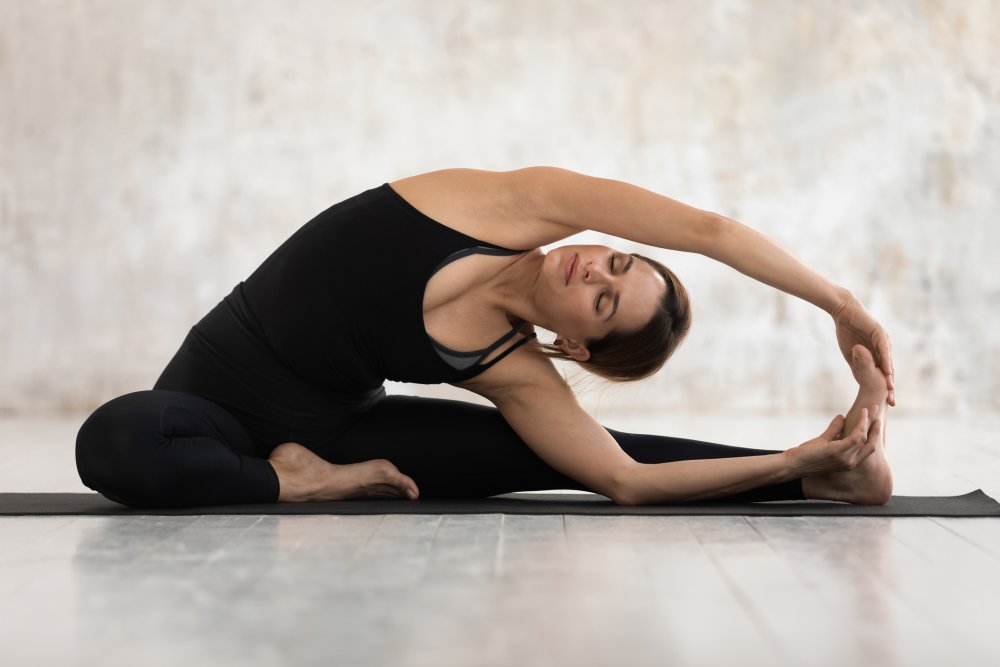
Your breath is a powerful posture tool. Practice diaphragmatic breathing to build gentle, supportive pressure around the spine without clenching. Sit tall with ribs stacked over your pelvis, then inhale through your nose and expand your belly, sides, and low back for a 360-degree fill. Exhale slowly, soften your lower ribs, and feel your core lightly engage, avoiding a hard brace in the shoulders or jaw. This rhythm reduces neck and upper back tightness while stabilizing your midsection. Try three calm cycles whenever you notice slumping, screen strain, or shallow chest breathing. Pair breathing with a quick postural reset: untuck the pelvis, grow tall through the crown of your head, and gently draw shoulder blades down and back without pinching. Over time, this becomes a reliable check-in that lowers accumulated tension, supports the neutral spine, and helps you sit longer with less fatigue. Breathing well is a posture habit you carry anywhere, chair or not.
Mobility Snacks All Day
Short, frequent mobility snacks keep joints happy and your posture fresh. Think 30 to 60 seconds every hour rather than one long session. Start with neck motions: small chin nods, slow rotations, and gentle side bends to counter screen stare. Add thoracic extensions by placing hands behind your head and leaning over the top of the chair back, keeping your ribs down. Open the chest with a doorway pec stretch to relieve rounded shoulders. For hips, stand and perform easy hip flexor glides, seated figure-four stretches, and ankle pumps to improve circulation. Don't forget wrists and fingers: wrist circles, prayer stretches, and wide finger spreads undo keyboard tension. Keep movements smooth and pain-free, staying just shy of discomfort. Layer these breaks onto routine moments—after calls, before meetings, or while files load—so they happen automatically. Consistent, gentle motion maintains joint range, boosts blood flow, and resets posture before stiffness settles in for the day.
Strengthen What Slumps
Sustained sitting often weakens the posterior chain and tightens the front of the body. Counter this with simple strength work that reinforces alignment. Prioritize pulling more than pushing to build scapular stability: band rows, face pulls, and external rotations train retraction and depression without neck strain. Include deep neck flexor activations like chin tuck holds, and thoracic wall slides for better overhead mechanics. For the core and hips, use dead bugs, bird-dogs, and glute bridges to stabilize the spine and open the hips. Two to three sessions per week with 2–3 sets of 8–12 controlled reps suit most people; focus on technique and tempo rather than maximal load. Progress by adding time under tension, extra reps, or slightly more resistance with bands or dumbbells. This balanced routine combats rounded shoulders, supports a neutral pelvis, and makes upright sitting feel effortless. Strength creates the endurance your posture needs when work runs long.
Make Sitting Dynamic
The best posture is the next posture. Embrace postural variability by cycling through different supported positions. Alternate between sitting upright, slight recline, and standing if you have a sit-stand setup. When standing, place one foot on a small footrest and switch sides to unload your back. Try perching on the edge of the seat for short bursts, then recline with lumbar support to rest. Use a cushion or rolled towel as a movable lumbar roll that you can shift as you change positions. Keep the monitor and keyboard adjusted for both sitting and standing heights, and use an anti-fatigue mat if you stand frequently. Micro-movements—ankle rocks, shoulder blade glides, gentle weight shifts—help circulate blood and keep joints lubricated. Build a rhythm of changing position every 30 to 60 minutes. The goal is not perfect stillness, but comfortable variety that reduces pressure points, preserves focus, and keeps the neutral spine easy to maintain.
Protect Eyes, Hands, and Nerves
Posture includes what your eyes and hands are doing. Follow the 20-20-20 principle: every 20 minutes, look at something about 20 feet away for around 20 seconds to relax the focusing muscles. Blink deliberately to fight dry eyes, and match screen brightness to the room to reduce squinting and forehead tension. Position your monitor to minimize glare and avoid hunching forward to see. For hands and wrists, aim for neutral wrists with forearms supported, and bring the mouse close to your body to prevent shoulder reach. Use keyboard shortcuts to reduce repetitive clicking, and consider a larger mouse, vertical mouse, or external keyboard to vary joint angles. Perform gentle nerve glides and tendon glides to keep tissues sliding smoothly, and avoid a tight death grip on input devices. These small choices lower strain on the neck, shoulders, and potential carpal tunnel areas, complementing a healthy posture from head to fingertips.
Build Lasting Habits
The best posture plan is the one you'll follow. Use habit stacking by pairing actions with existing routines: sip water and stand, end a call with a thoracic extension, or open a document and do three diaphragmatic breaths. Place a resistance band by your chair, a lacrosse ball in a drawer, or a footrest under the desk to make good choices effortless. Set gentle reminders on your calendar or watch for micro-breaks, then taper reminders as routines stick. Track wins—positions changed, breaks taken, sets completed—so progress feels visible. Ask a colleague to join for accountability, or gamify your day by collecting posture points. Start small, then layer in more as you succeed; consistency over intensity prevents burnout. At day's end, run a quick check-in: neck relaxed, ribs stacked, hips open, eyes refreshed. These cues turn posture from a one-time fix into an ongoing health habit that supports comfort, focus, and energy every workday.