Stage vs. Screen: What Theatre Teaches Film and TV
From live craft to camera nuance, theatre sharpens performance, timing, and storytelling—lessons that elevate film and TV with authenticity and risk.
Live Presence Shapes Performance: Theatre begins with a room full of people breathing the same air. Actors learn to command presence without a safety net, building performances from listening, breath, and clear intentions. On stage, choices must read to the back row yet feel truthful up close, forcing precision in stakes, objective, and moment-to-moment honesty. When this rigor migrates to film and TV, it yields performances that hold up in a close-up: stillness that vibrates, eyes that carry thought, and gestures reduced to essential beats. Stage training also cultivates repeatability—delivering the same scene night after night while keeping it alive—which mirrors multiple takes and fragmented schedules. Directors benefit too: theatre's respect for rehearsal creates a shared vocabulary for exploring behavior before rolling. The camera may magnify, but the engine remains theatrical: a human being pursuing something urgently in real time. That chase, honed under lights, gives screen stories pulse, clarity, and emotional contour.
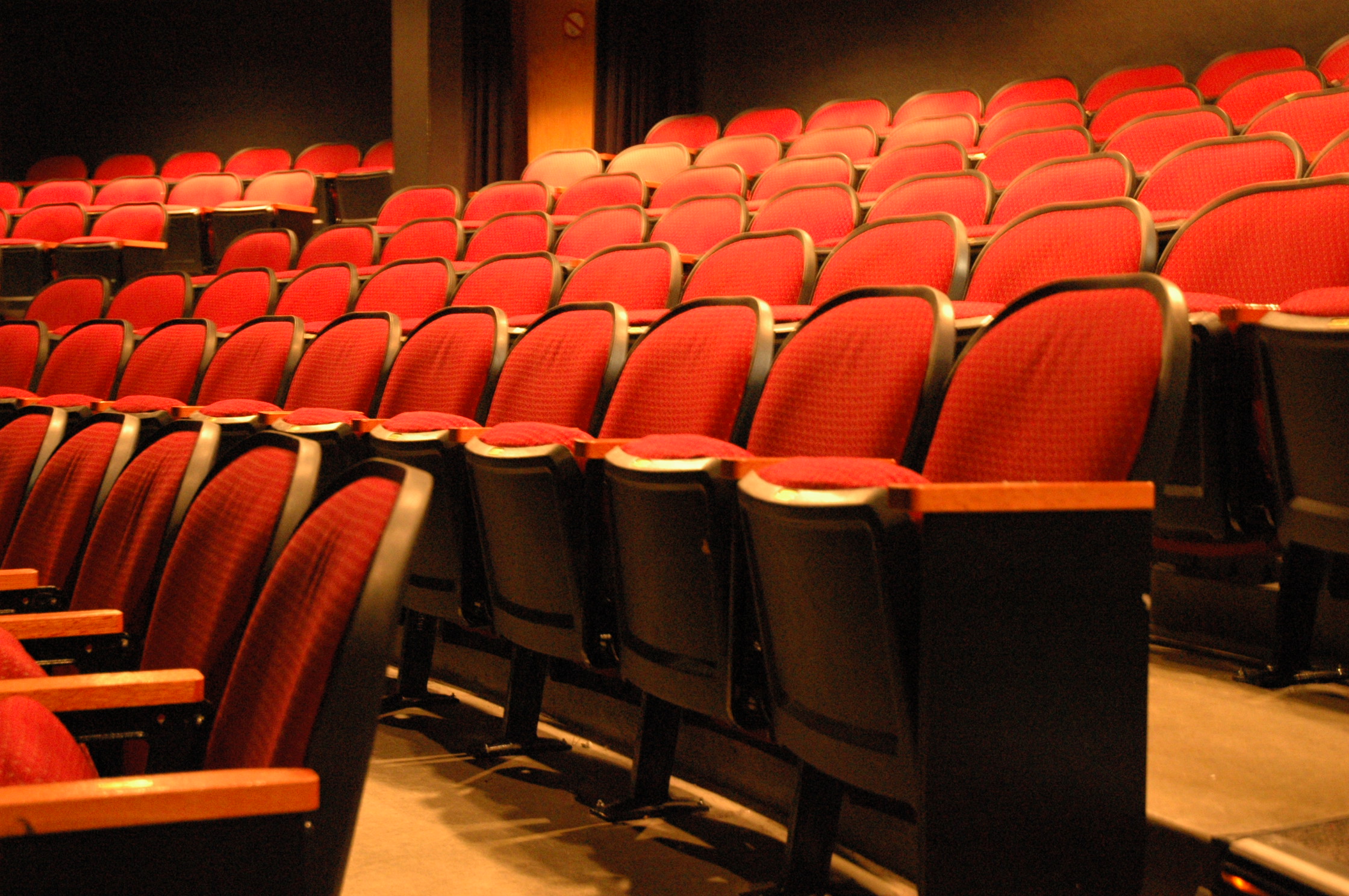
Blocking, Space, and the Camera: Stage work treats space like grammar. Actors learn blocking as syntax—enter, cross, pivot—to focus attention and reveal relationship. They read sightlines, balance pictures, and choreograph business that plays from any seat. Brought to set, that spatial literacy translates into respect for the lens: hitting marks, shaping action to foreground the subject, and designing movement that edits in the viewer's mind. A performer who understands proscenium geometry quickly grasps frames, axes, and how body angles telegraph power or vulnerability. Directors with theatrical instincts stage scenes so that composition, not coverage, does the heavy lifting—motivated crosses, layered depth, and living background behavior enrich even a static two-shot. The result is cleaner continuity, fewer pickups, and moments that cut elegantly because intention, not accident, drives motion. In both arenas, space is not empty; it is storytelling. Theatre teaches screen artists to make every step, glance, and pause carry narrative weight.
Rehearsal Discipline and Ensemble Culture: Theatre treats rehearsal as the laboratory. Through table work, actors dissect text into beats, objectives, and tactics, stress-testing choices before an audience ever arrives. This practice fosters a resilient ensemble where generosity, timing, and mutual calibration are second nature. On set, that translates to faster days and richer dailies: scene partners lock eyes, pick up cues, and adapt to adjustments without losing the spine of action. Directors inherit a cast ready to explore within structure—able to improvise while honoring story mechanics. Theatrical habits like calling given circumstances, mapping transitions, and protecting warm-up rituals guard against the chaos of location noise, time pressure, and out-of-order shooting. Crew culture benefits too; respect for the collective—props, costumes, sound—comes baked in, so continuity details stay alive in the performance itself. Rehearsal-born trust liberates the camera: once behavior is truthful and repeatable, the lens can chase lightning instead of manufacturing it.
Voice, Text, and Subtext: Stage actors train the instrument—breath, resonance, articulation—to carry language without microphones, but the deeper gift is sensitivity to text. They learn to surf punctuation, land operative words, and ride a thought across a sentence so meaning arrives precisely. That attention to subtext—what a character wants beneath what they say—supercharges screen dialogue, where a close-up records micro-shifts in thought. A whispered consonant, a swallowed vowel, a deliberate silence can turn exposition into revelation. Theatre's respect for verse, prose, and rhetorical structure builds habits of clarity, variety, and cadence that editors love; phrases cut cleaner when intentions are legible. It also trains patience with silence: listening as action. In film and TV, the most electric beats often live between lines, in eyes and breaths. Stage-informed actors fill those gaps with intention, making coverage feel alive and giving directors options that play musically across different cuts and scenes.
Audience Awareness and Story Energy: In theatre, the audience is an active partner; laughs, gasps, and hushes recalibrate pacing in the moment. Actors learn to surf that energy, modulating tempo, volume, and timing to land jokes, build dread, or release tears. On screen, there's no live feedback, but the craft transfers: performers who feel rhythm protect the arc of a scene across fragmented setups, sustaining heat from wide to close-up. Directors with stage instincts build episodes and films like evenings at the theatre—shaping entrances, exits, and buttons so sequences resolve with intention. This awareness also guards continuity of emotion when shooting out of order; theatre-trained artists map beats, mark climaxes, and ration fuel so the story never stalls. Even in quiet genres, audience sense nudges choices toward clarity: a look held a breath longer, a pause trimmed to sharpen impact. The result is screen work that breathes, listens, and invites viewers to lean in.