Streaming vs. Cinema: Finding the Best Way to Watch
From IMAX thunder to couch-side convenience, weigh spectacle, cost, quality, and community to decide when theaters win and when streaming shines.
Convenience and Choice at Home
Choosing streaming means choosing convenience. You watch what you want, when you want, without commuting, queues, or fixed showtimes. The ability to pause, rewind, and switch devices grants a level of flexibility traditional outings rarely match. Personalized profiles, watchlists, and recommendations help surface titles that suit your mood, from comfort rewatches to adventurous discoveries. You can fine-tune the setting for comfort, adjust captions, control volume, and curate snacks on your own terms. Still, that freedom brings trade-offs. Decision fatigue can slow the start of your night, and content rotation may make favorites vanish without notice. Home environments invite distractions, from notifications to chores, and imperfect internet stability can affect bitrate and smooth playback. Sound often gets shortchanged on built-in speakers, and ambient light can dilute darker scenes. When you build a habit around intentional viewing, though—silencing devices, dimming lights, and using better audio—streaming becomes a streamlined, deeply personal entertainment ritual.
The Ritual and Immersion of the Big Screen
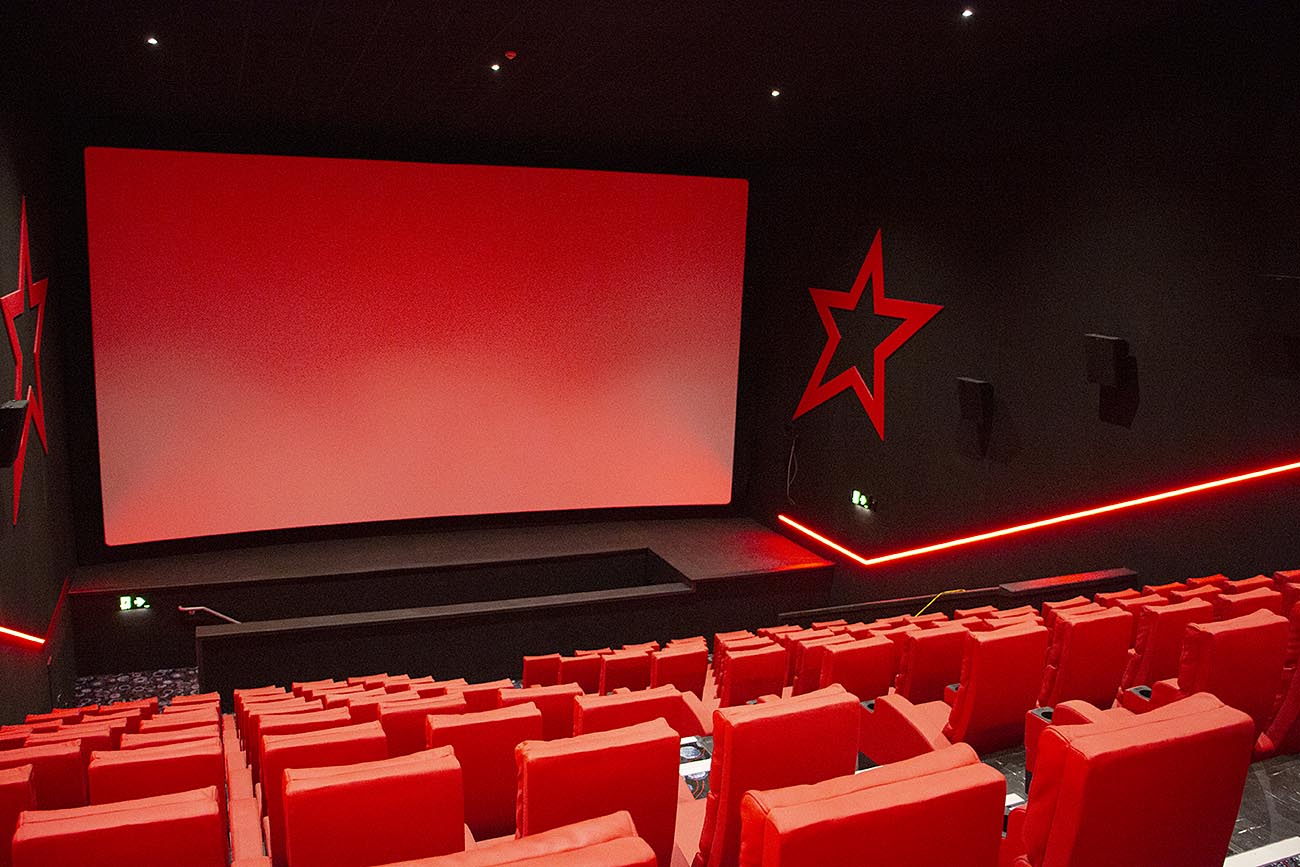
A trip to the cinema transforms watching into an event. Grand screens, calibrated projection, and enveloping surround sound deliver scale and immersion that is difficult to replicate at home. The room darkens, the pre-show hush arrives, and collective anticipation amplifies emotional beats—laughter feels louder, gasps ripple, applause sometimes erupts. This shared focus eliminates many of the at-home interruptions, encouraging undivided attention and respect for the story's rhythm. The excursion can also feel like a celebration, whether you are marking a release day, bonding with friends, or rewarding a long week. There are logistical costs: travel, set schedules, seating preferences, and premium formats that may nudge prices upward. Etiquette variables—chatter, phones, rustling—can occasionally intrude. Yet with a good auditorium and an engaged audience, cinema showcases spectacle, subtle sound design, and visual craftsmanship in their natural habitat. For many, certain films simply feel designed to be first experienced in that big-screen environment.
Cost, Value, and How You Calculate It
Assessing value depends on how you watch. A subscription can be budget-friendly if you explore broadly, sampling originals, classics, and niche genres each month. Families may stretch value further by sharing profiles and planning themed nights. Conversely, building a capable home setup—display, soundbar or speakers, blackout curtains—requires upfront investment, though it pays off over time. Cinema pricing pivots on format and frequency. Solo visits feel affordable for special titles; group outings can add up but deliver a social dividend. Concessions, parking, and travel time are real opportunity costs. On the flip side, off-peak showings, memberships, and bundle deals can soften the bill. Hidden home costs also exist: faster internet, electricity for larger displays, and the temptation to subscribe to multiple platforms. The smartest approach is intentionality: rotate services, target key releases, and reserve theatrical trips for films that benefit most from scale. In other words, align budget with your habits rather than chasing every shiny option.
Quality, Tech, and What Your Eyes and Ears Notice
Picture and sound are where formats diverge most. Streaming compression adapts to your bandwidth, which can introduce artifacts in dark scenes, crush shadow detail, or soften rapid motion. A great connection with high bitrate can look stunning, especially with strong HDR, but performance varies by device, app, and network congestion. At home, room conditions matter: stray reflections, overly bright settings, and uncalibrated color can diminish nuance. Even modest upgrades—accurate picture modes, basic calibration, room darkening, and a decent subwoofer—dramatically improve immersion. Cinema aims to eliminate these variables, pairing large-format projection and carefully tuned surround sound to preserve dynamic range and tactile bass. Still, auditoriums differ in maintenance and consistency, which can affect sharpness or audio balance. Ultimately, the best experience optimizes context: treat home viewing like a mini theater with rules and tuning, and treat theatergoing like a focused, respectful encounter with the filmmaker's intended aesthetic.
Content Windows, Exclusives, and Discovery
Where a title appears first can shape your choice. Some releases land with limited theatrical runs to build conversation, then shift to streaming for broader access. Others debut online as exclusives, rewarding subscribers with buzzy originals or extended cuts. Big blockbusters and effects-driven epics often benefit from cinema scale, while intimate dramas, documentaries, and global series may find their audience faster at home. Discovery styles differ as well. Theaters rely on trailers, posters, staff picks, and the serendipity of the marquee; a lobby can spark spontaneous choices. Platforms lean on algorithms, rows of curated rails, and personalized hubs that learn from your habits. Each path has strengths and blind spots: algorithms may create bubbles, while theatrical lineups can be narrower. The hybrid viewer gets the best of both by tracking buzz-worthy titles for the big screen, then using streaming to dive deep into back catalogs, arthouse gems, and under-the-radar surprises.
Social Energy vs Personal Control
Entertainment thrives on context. A cinema crowd can heighten tension and humor, turning a screening into a collective memory. That social energy encourages focus, discourages spoilers mid-show, and invites post-movie conversation over favorites, themes, and performances. At home, the power tilts toward personal control. You can craft intimate watch parties, sync a group watch remotely, or host family movie night with pauseable snack breaks. Accessibility shines: customizable captions, language options, and audio description help more viewers feel included. For parents, bedtime-friendly scheduling is a relief; for night owls, late starts raise no eyebrows. The same control can disrupt flow if pausing becomes habitual, so creating personal rules—phones away, lights low, no side tasks—protects the experience. In short, choose social immersion when you crave communal electricity, and choose control when you need comfort, flexibility, or tools that tailor the story to your needs and space.
Making the Best Choice for You
The smartest path blends formats with intention. Start by mapping your priorities: Is this title about spectacle, reference-level sound, or a director you adore? Plan a cinema outing for works that demand scale or that you are eager to savor without distraction. Reserve streaming for discovery, rewatching, and nights when time, energy, or geography say stay in. Elevate both experiences: in theaters, pick seats near the center audio sweet spot, choose auditoriums known for upkeep, and arrive with time to settle. At home, enable a film-accurate picture mode, dim lights, minimize notifications, and invest in better audio before chasing bigger screens. Rotate subscriptions around release cycles, and use watchlists to avoid endless scrolling. Ultimately, the best way to watch is the one that aligns your budget, mood, companions, and schedule with the creative intent of the work. When you treat each option as a curated entertainment choice, you rarely go wrong.