Sustainable Shopping: Easy Switches That Save Money
Cut waste, slash bills: swap disposables for reusables, buy seasonal, choose bulk and secondhand. Smart, sustainable shopping that pays for itself.
Rethink Value. Sustainable shopping begins with a mindset shift from chasing lowest sticker prices to seeking genuine long-term value. Pause before purchasing and separate needs vs. wants by asking how often you will use the item and whether it solves a real problem. Compare price-per-use rather than the upfront cost, and consider the total cost of ownership, which includes maintenance, energy, refills, and disposal. Favor items that are durable, repairable, and made from quality materials that age well. Classic designs stay relevant, so you avoid frequent replacements driven by trends. Read care instructions and product specs to anticipate upkeep and longevity. When possible, choose items with modular parts or accessible spares so a small fix extends life. Create a short wishlist and wait a little before buying; this cooling-off period filters impulse buys and highlights what truly matters. Over time, this slower, more intentional approach reduces clutter, curbs waste, and consistently saves money without sacrificing comfort or style.
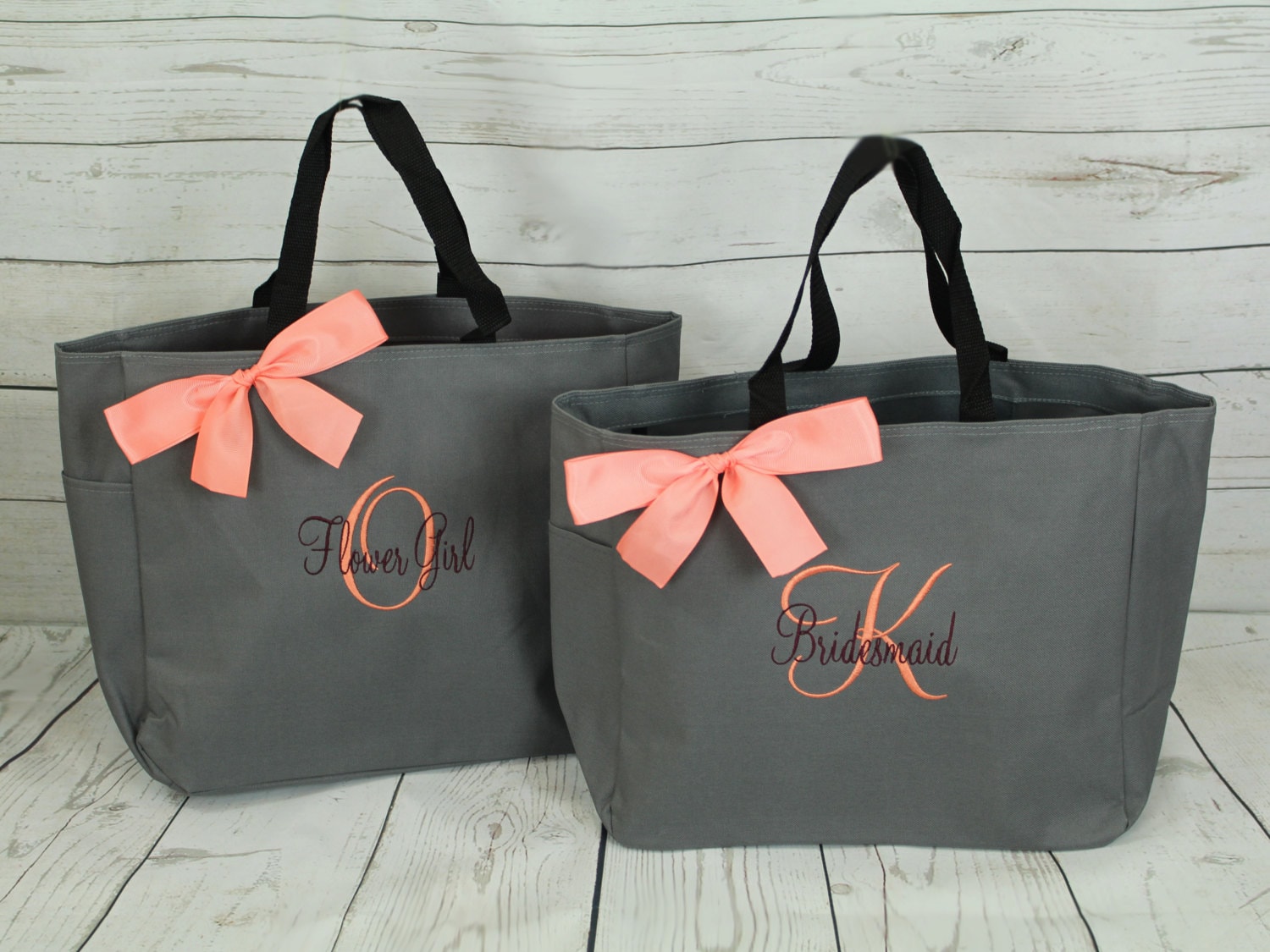
Reusable Essentials. Swapping single-use items for reusables slashes weekly costs and waste with hardly any lifestyle strain. A sturdy reusable bottle, travel mug, and set of cutlery quickly replace pricier disposable drinks and utensils, especially during commutes and errands. Keep compact shopping bags in your car, backpack, and coat pockets to avoid bag fees and last-minute plastic. Opt for refillable containers for soap, shampoo, and cleaning products; many stores offer concentrates that minimize packaging and cost per use. Reusable produce bags, silicone lids, and glass jars extend the life of groceries and leftovers, reducing food waste. For lunch, durable containers and cloth napkins deliver daily savings over takeout packaging. If you routinely buy bottled water, consider a home filter or pitcher, which pays for itself after a handful of uses. To simplify the habit, create a grab-and-go kit near the door. Small, repeatable swaps like these quickly stack up to meaningful savings and lighter bins.
Buy Fewer, Better. Instead of bargain hunting for duplicates, focus on quality over quantity and prioritize versatile items that earn frequent use. A tight capsule wardrobe built from breathable natural fibers, neutral tones, and layering pieces lets you create many outfits with fewer garments, which cuts both spending and laundry loads. Choose repairable design in shoes, bags, and tools, and learn simple fixes with a basic mending kit, fabric shaver, heel taps, or replacement buttons and laces. The same principle applies to cookware and gadgets: pick items with solid construction, safe materials, and parts you can clean and maintain. Track cost-per-wear or cost-per-use to see how durable purchases outperform flimsy alternatives over time. Follow care labels, rotate footwear, and store garments properly to extend lifespan. Buying fewer items also reduces decision fatigue, making it easier to spot gaps and plan intentional purchases. The result is a calmer closet, a neater kitchen, and a healthier budget.
Secondhand and Sharing. Embrace preloved goods to unlock big savings while reducing environmental impact. Thrift shops, consignment stores, and neighborhood buy-sell-swap groups often carry barely used clothing, furniture, and tools at a fraction of retail prices. Inspect seams, zippers, soles, and electronics ports, and test moving parts before you commit. For big or rarely used items, rent instead of own through local rental shops, community closets, or informal borrowing with friends and neighbors. Think carpet cleaners, party supplies, specialty cookware, camping gear, and power tools that would otherwise sit idle. Swapping children's clothing or toys within your community helps outgrow cycles feel affordable and fun. Clean and refresh finds with simple care steps like gentle washing, airing outdoors, tightening screws, or applying oil to wood. Selling or donating what you no longer use funds future buys and keeps items circulating. The secondhand and sharing mindset stretches your budget, reduces storage needs, and builds community resilience.
Smarter Food Shopping. Food is a major budget lever, and simple routine upgrades pay off quickly. Start with meal planning anchored to what you already have, and write a focused shopping list to curb impulse grabs. Compare unit pricing to judge real value, and lean on store brands for staples that match quality at lower cost. Choose seasonal produce for better prices and flavor, and buy bulk dry goods like beans, rice, oats, and spices in amounts you will realistically use. Build in leftover nights and batch cooking to minimize midweek takeout. Store food smartly with clear containers, labels, and a first in, first out rule so ingredients do not languish unseen. Use your freezer as a savings tool: portion cooked grains, stocks, bread ends, and herbs in oil for later. Rescue close-to-ripe fruit with smoothies or compotes, and turn wilting vegetables into soups or frittatas. Tiny habits like pre-chopping snacks and packing lunches deliver steady, compounding savings.
Home and Household Upgrades. Some purchases reduce bills month after month. Start with energy-saving basics: install efficient bulbs, use smart power strips, and unplug seldom-used chargers to trim standby drain. Wash with cold water, air dry when possible, and clean lint filters for better performance. A simple draft stopper, weather stripping, and curtain layering improve comfort without costly renovations. When an appliance finally needs replacing, check efficiency labels and filter longevity to calculate lifetime costs, not just the price tag. In cleaning, switch to reusable cloths and durable scrubbers, and mix DIY cleaners for many jobs using staples like vinegar, baking soda, and mild soap. Refillable spray bottles and concentrated refills cut packaging and cost per ounce. A water filter pitcher or faucet unit helps you skip bottled water. Organize supplies so you finish what you own before buying more. By pairing frugal maintenance with thoughtful upgrades, you lower recurring expenses while reducing waste.
Money-Saving Systems. Systems make sustainable choices automatic. Use unit pricing to compare sizes, and track recurring buys in a simple list so you spot sales and avoid overstocking. Join loyalty rewards programs you will actually use, and stack store discounts with manufacturer offers when they make sense. Price-check big purchases across a few retailers and learn price-matching policies to capture fair deals without extra driving. Keep a wishlist and use a cooldown timer to filter impulse buys; most wants fade when given space. Unsubscribe from promo emails that trigger spending triggers, and silence push notifications that nudge you to browse. Pay with methods that offer cashback or points responsibly, and always clear balances to avoid interest that erases savings. Save receipts digitally to simplify returns and warranties, and schedule seasonal reviews to note what worked and what did not. With small rules and gentle guardrails, you protect your budget while staying aligned with your values.