The Beginner's Guide to Herbs and Spices
A friendly primer to herbs and spices: how to buy, store, prep, and pair flavors; when to bloom or grind; and simple swaps to elevate everyday meals.
Herbs and Spices, Simply Explained
Herbs and spices are the small but mighty tools that turn everyday groceries into memorable meals. Herbs are the tender leaves and stems of plants, like basil, parsley, and thyme, bringing bright, green, often floral notes. Spices come from seeds, bark, roots, or fruit, such as cumin, cinnamon, or chili, and tend to deliver deeper, warmer, or sharper flavors. You will meet them in two main forms: fresh or dried herbs, and whole or ground spices. Fresh herbs excel at finishing dishes, while dried herbs and ground spices shine in longer cooking where their aroma can bloom. Whole spices keep their volatile oils protected; grinding or crushing releases intense fragrance right before cooking. Think of these seasonings as a flavor toolbox: a pinch to highlight sweetness, a sprinkle to add savory depth, or a rub to build complexity on meats, vegetables, grains, and eggs. Start by smelling each jar, noticing color and texture, and let your palate guide simple, confident choices.
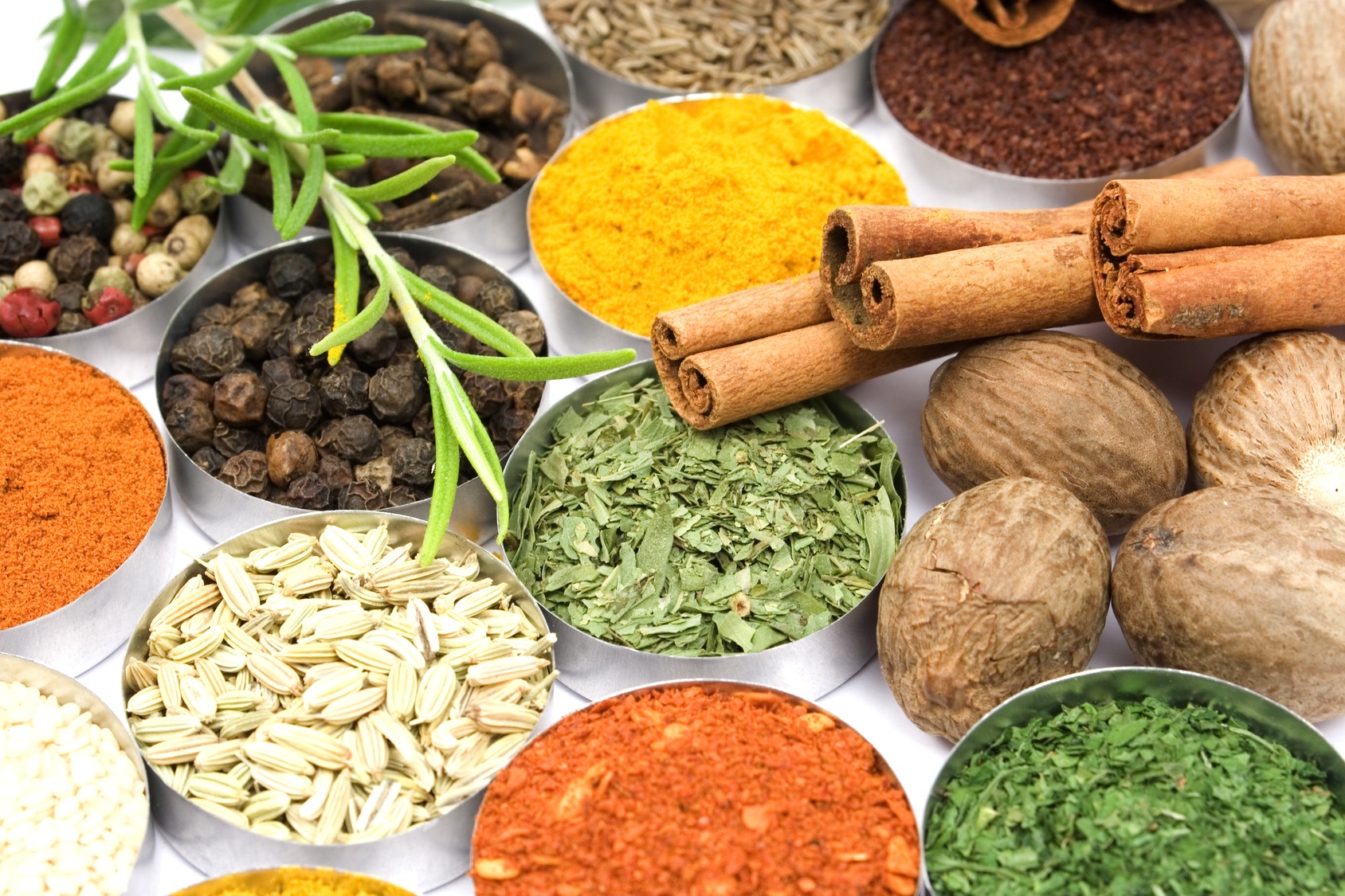
Starter Pantry Picks
For a beginner friendly pantry, focus on a small, flexible set that works across everyday groceries. Keep black pepper and a good salt as baselines that amplify everything from tomatoes to steak. Add warm, versatile cumin and coriander for earthy backbone, gentle paprika for color and sweetness, and bright turmeric for golden hue and subtle bitterness. Round out sweet or cozy dishes with cinnamon and nutmeg, and keep chili flakes for adjustable heat. On the herb side, dried oregano, thyme, and rosemary handle roasting and sauces, while fresh basil, parsley, and cilantro lift salads, pasta, eggs, and grains. When shopping, choose whole seeds like cumin or coriander when possible; they are easy to toast and grind, releasing fresher character. Pick small jars to avoid staleness, and reach for bunches of herbs that look perky and aromatic. With just these basics, you can season beans, chicken, fish, roasted vegetables, stews, and even fruit or oatmeal, building a reliable seasoning habit.
Simple Techniques for Big Flavor
Technique transforms ordinary groceries into expressive meals. Start by dry toasting whole spices like cumin, fennel, or mustard in a warm pan until fragrant; this deepens sweetness and releases essential oils. For ground spices, briefly bloom them in a little oil or butter to prevent raw, dusty flavors and spread their aroma evenly. Use a mortar and pestle or a small grinder to process seeds just before cooking for vivid results. Build quick blends for weeknights: a warm mix of cumin, paprika, and garlic powder for vegetables; a citrusy combo of coriander, pepper, and grated zest for seafood. Make simple pastes by mashing herbs with salt and a splash of olive oil, then rub onto meat or stir into yogurt for marinade. Finish hot dishes with chopped fresh herbs to preserve brightness, or steep woody herbs like rosemary in simmering sauces, then remove. Taste in layers, adding a pinch early for depth and a sprinkle at the end for clarity and balance.
Pairing Basics You Can Trust
A few dependable pairings simplify everyday cooking. Tomatoes love basil and oregano; try them with olive oil for pasta or toasted bread. Poultry works with thyme, sage, and paprika, while beef welcomes rosemary, black pepper, and a hint of smoked paprika. Pork pairs beautifully with fennel seed and garlic, and lamb brightens with mint or cumin. Fish shines with dill, parsley, and lemon zest, and shellfish takes well to garlic, chili flakes, and paprika. Beans and lentils thrive on cumin, coriander, and bay; roasted roots love cumin, thyme, and cinnamon for warmth. For grains, a touch of turmeric or bay adds comfort, and eggs welcome chives, parsley, and a dusting of paprika. In sweet spaces, cinnamon, cardamom, and nutmeg flatter fruit and yogurt. Use your senses as guides: if something smells bright, pair it with fresh herbs; if it tastes earthy or rich, add warm spices for balance.
Buying, Storing, and Everyday Care
Great flavor starts with smart shopping and storage. Choose small quantities of spices to keep them fresh, and buy herbs that look vibrant and smell lively. Whole spices often stay potent longer; grind only what you need. Store everything in airtight containers, away from heat, light, and moisture. To check freshness, rub a pinch between fingers; if aroma is faint, it is time to refresh. Rinse fresh herbs, dry thoroughly, and wrap in a slightly damp towel in the refrigerator. Strip soft herb leaves, chop just before serving, and save sturdy stems to infuse soups or grains. Remember a simple kitchen ratio to convert: use less dried than fresh, since dried herbs are more concentrated. Add spices early for depth and herbs late for brightness, adjusting by tasting often. Remove tough stems or whole spices before serving for comfort. With these habits, your food and groceries yield consistent, vibrant results meal after meal.