Zero-Waste Grocery Habits You Can Start Now
Reduce waste and save money with simple, practical grocery habits—from smart meal planning to bulk buys, reusables, and better storage.
Plan With Purpose: A strong zero-waste routine begins before you set foot in the store. Start with a quick inventory of your pantry, fridge, and freezer, noting what needs using first. Build a simple meal planning outline that folds those items into upcoming meals, and keep it flexible so you can substitute what is available or seasonal. Estimate realistic portions to avoid overbuying, and group ingredients that can serve multiple dishes to minimize excess. Keep a running list on your phone or a reusable notepad categorized by produce, bulk staples, and household refills. Add a buffer section for treats or unexpected bargains that still align with your goals. Check your containers and bags before leaving, and bring only what you truly need to limit clutter. This thoughtful pre-shop ritual sets the tone for intentional choices, saves money, and reduces waste by ensuring everything you buy has a planned purpose and a clear path to your plate.
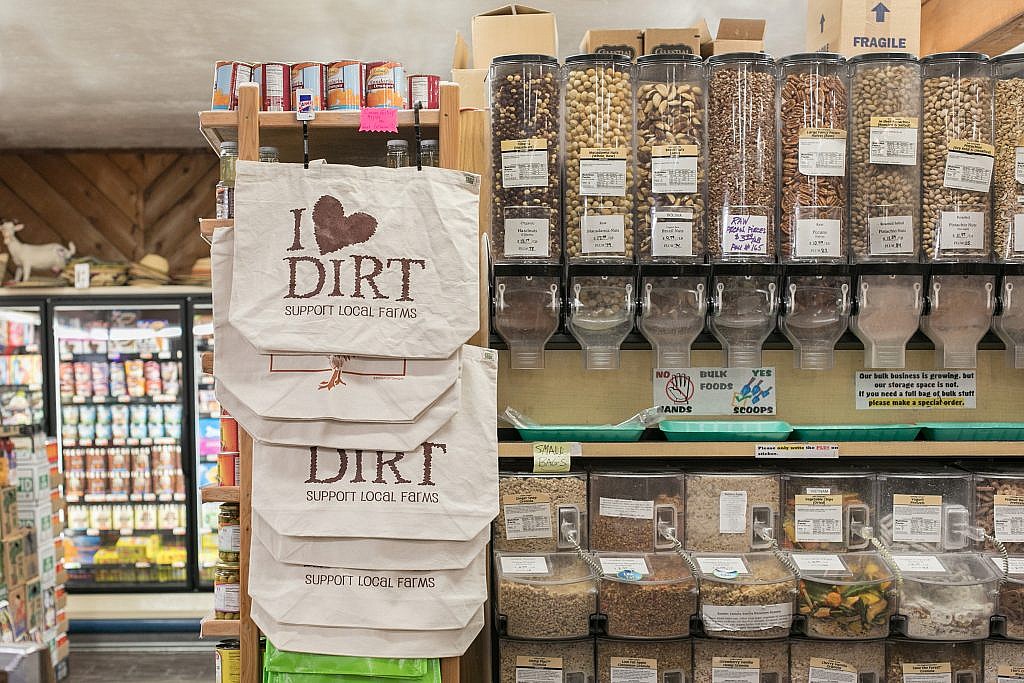
Choose Packaging-Light Options: Prioritize bulk bins, loose produce, and minimally packaged goods whenever possible. Bring reusable containers and bags, and ask for a tare to subtract the weight. If bulk is not available, choose the largest practical size or packaging made from paper, glass, or widely recyclable materials. At the deli, bakery, or cheese counter, request items in your own container if store policy allows, or opt for paper wraps over plastic clamshells. Refills for oils, vinegars, spices, and cleaning products can dramatically reduce single-use waste while cutting costs. Shop the perimeter first for whole foods that need minimal packaging, then fill gaps from dry-good aisles. Compare labels for unnecessary layers, and watch for shrink-wrapped produce you can buy loose. When faced with a tough choice, consider the full lifecycle: transport, storage, and disposal. These packaging-light decisions compounded over time create a meaningful cut in your household waste stream without compromising quality or convenience.
Store Produce Like A Pro: Smart storage turns groceries into long-lasting freshness instead of food waste. Use your crisper drawers the way they were designed: high humidity for leafy greens and herbs, low humidity for fruits that prefer drier air. Wrap delicate greens in a damp towel or breathable bag, and keep berries dry in a shallow container lined with paper or a cloth, only washing right before eating. Treat herbs like bouquets in a small jar of water, loosely covered to prevent wilting. Stash root vegetables in a cool, dark place, separate from onions to prevent sprouting. Keep ethylene-sensitive items away from strong emitters like bananas and apples. For odds and ends, create a dedicated eat-first bin at eye level so nothing gets lost. If something is fading, rescue it fast: roast soft vegetables, blend limp greens into pesto, or freeze chopped fruit for smoothies. These storage strategies extend shelf life, preserve nutrients, and make every purchase count.
Build A Reusables Kit: A compact reusables toolkit makes low-waste errands effortless. Pack a couple of cloth totes, mesh produce bags, and a few lightweight jars or containers with tight lids. Add foldable silicone bags for snacks and bulk items, plus a pen or grease pencil for quick labeling. Keep a small set of cutlery, a cloth napkin, and a lidded cup for takeout moments. To reduce friction, stage your kit near the door or in your trunk, and reset it after each trip by washing, drying, and returning items to their place. Pre-weigh and note container tares on the lid or a sticker to speed checkout. If your store is strict about jars, use paper bags for bulk and transfer at home to airtight containers. Over time, you will discover which reusable containers you actually use and which can stay home, streamlining your routine and keeping your focus on fresh, package-free food and groceries.
Cook For Flow, Not Just For Today: Prevent waste by designing a cooking flow that links meals together. Roast extra vegetables for grain bowls, tacos, or omelets later in the week. Cook beans or lentils in larger batches and freeze portions flat for quick defrosting. Turn bones and vegetable trimmings into stock, then use it to simmer grains or soups. Label containers with contents and date, and practice FIFO, the simple first in, first out method that keeps older items in front. Keep a weekly eat-first board on your fridge listing perishables that need attention. Embrace mix-and-match sauces like chimichurri, tahini dressings, or yogurt-based dips to refresh leftovers. When plans change, freeze what you can before quality declines. This approach preserves taste, saves time, and keeps ingredients in circulation. With a flexible template and a few versatile bases, you transform groceries into a steady rhythm of meals that minimize waste and maximize satisfaction.
Close The Loop With Scraps And Compost: Think circular with every peel, stem, and rind. Save clean veggie ends for homemade broth, and freeze herb stems for soups or sauces. Stale bread becomes croutons, breadcrumbs, or panzanella. Citrus zest perks up dressings and marinades, while rinds can infuse vinegar or salt. Aquafaba from canned chickpeas whips into a handy egg alternative for baking. When scraps truly cannot be eaten, consider compost through a backyard pile, worm bin, or local collection service. If odors concern you, store compostables in the freezer until pickup or drop-off day. Learn what belongs in your system and what does not, following local guidance to avoid contamination. By viewing leftovers and remnants as resources, you develop a mindset that reduces the volume of trash and returns nutrients to the soil. This close-the-loop habit complements your shopping and cooking choices, turning your kitchen into a mini ecosystem of mindful reuse.
Shop Local Mindfully And Keep Improving: Strengthen your zero-waste grocery habits by building relationships with local markets, co-ops, and small producers who support bulk sales and container-friendly policies. Ask questions about packaging, share positive feedback when stores make changes, and politely request options like refill stations or paper over plastic. Team up with neighbors to split bulk purchases you cannot finish alone, or organize a swap for excess produce and pantry items. Track your progress with a simple waste audit every few weeks, noting what still ends up in the bin and brainstorming small shifts to fix it. Celebrate wins, from mastering your inventory list to finally nailing produce storage. Keep your goals realistic and your tone compassionate, since sustainability thrives on consistency, not perfection. With ongoing curiosity, collaborative spirit, and steady refinement, your food and groceries routine becomes lighter on the planet, easier on your budget, and richer in flavor and community.